 Entrée Easy difficulty
Kitchen
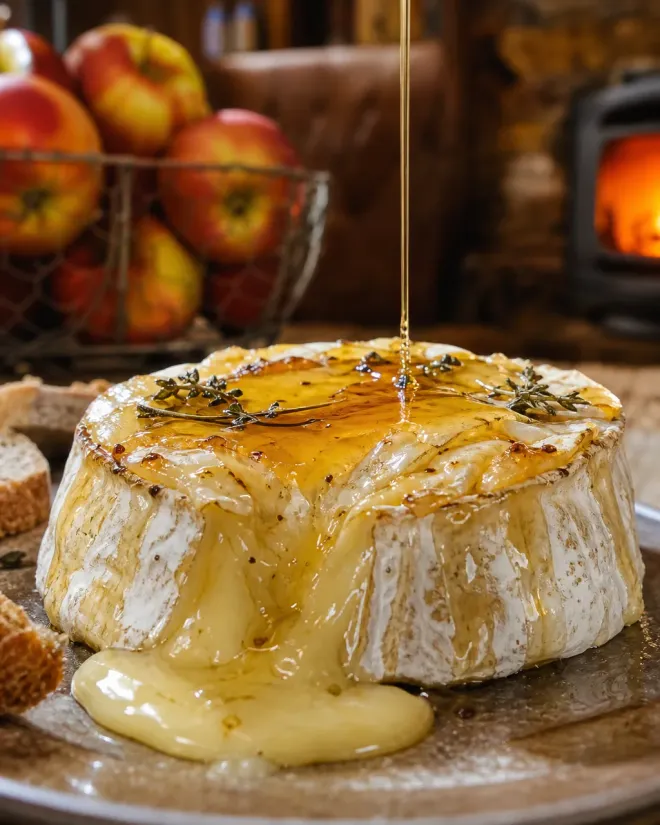
Camembert Rôti au Miel
A whole cheese, baked with honey. The easiest crowd-pleaser in this book — one wooden box, a spoon of honey, thyme, and fifteen patient minutes.
6 recipes. Soups, salads, eggs and the bistro classics — the course the French actually serve first.
The French meal runs in order — starter, main, cheese, dessert — and the starter is where the whole logic shows: vegetables first, portions honest, nothing fried. It is also the cheapest course to get right, which is why it survived modern life. A soup, a salad with a real vinaigrette, eggs in every configuration: that is the actual French first course, not the foie gras of tourist imagination.
The bistro version has its own canon — French onion soup, escargots, oeufs mayo, the quiet test by which a bistro that cannot make oeufs mayo cannot make anything — and the home version is quieter still: salads built like architecture, chèvre chaud on toast, a whole Camembert run through the oven when the guests are already at the door. All 6 starters below come with the when, the why and the mistake to avoid, in grams and cups.
Onions, broth, bread, and a lid of melted cheese. Born in the Les Halles night market; still the best cold-weather opener there is.
A whole Camembert baked with honey — the cheese course crashing into the starter course, in the best possible way.
Entrée Easy difficulty A whole cheese, baked with honey. The easiest crowd-pleaser in this book — one wooden box, a spoon of honey, thyme, and fifteen patient minutes.
 Entrée Easy difficulty
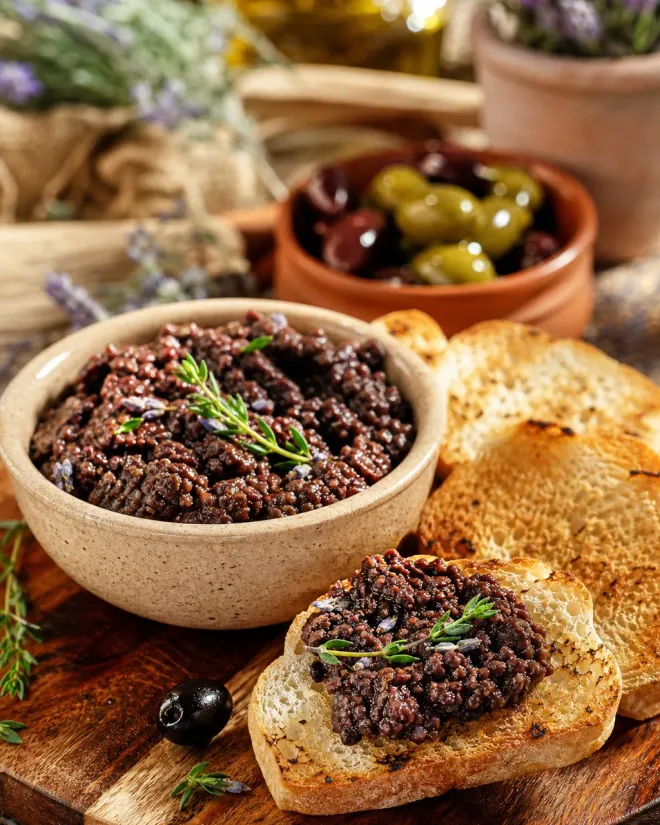
Olives, capers, anchovies, oil: five minutes of work, the South's most exportable flavor — born, the story goes, in a Marseille kitchen in 1880.
 Entrée Hard difficulty
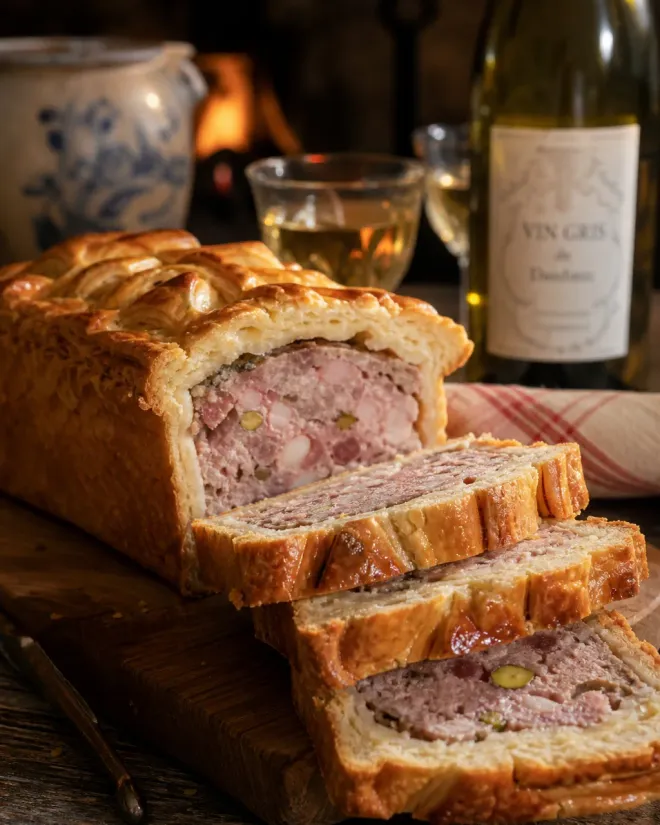
Marinated pork and veal sealed in pastry, from a recipe older than most countries — a 1392 manuscript, Lorraine claims. And dares you to argue.
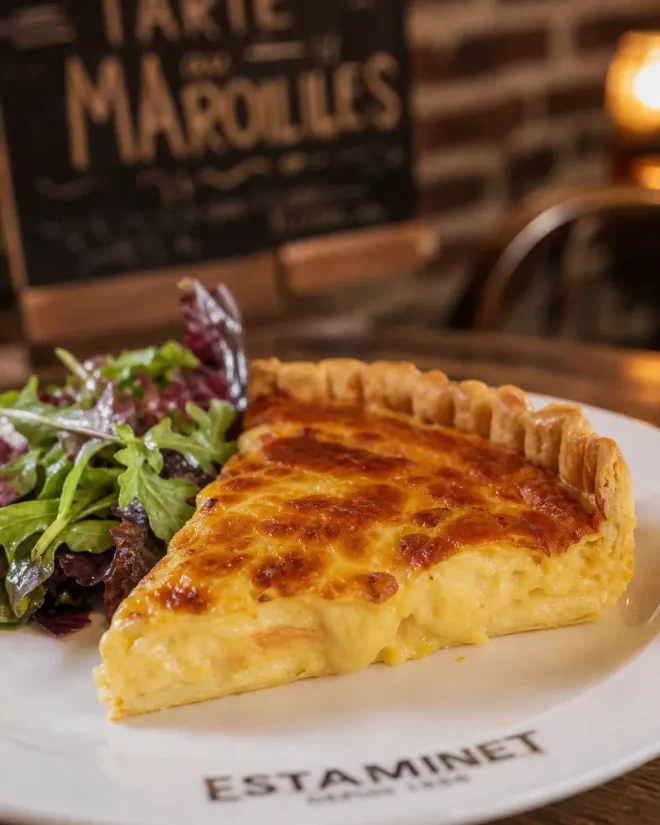 Entrée Medium difficulty
Bread dough, thick maroilles, a hot oven. The North's stinkiest cheese bakes into one of its gentlest tarts — smell is not flavor, but it helps.
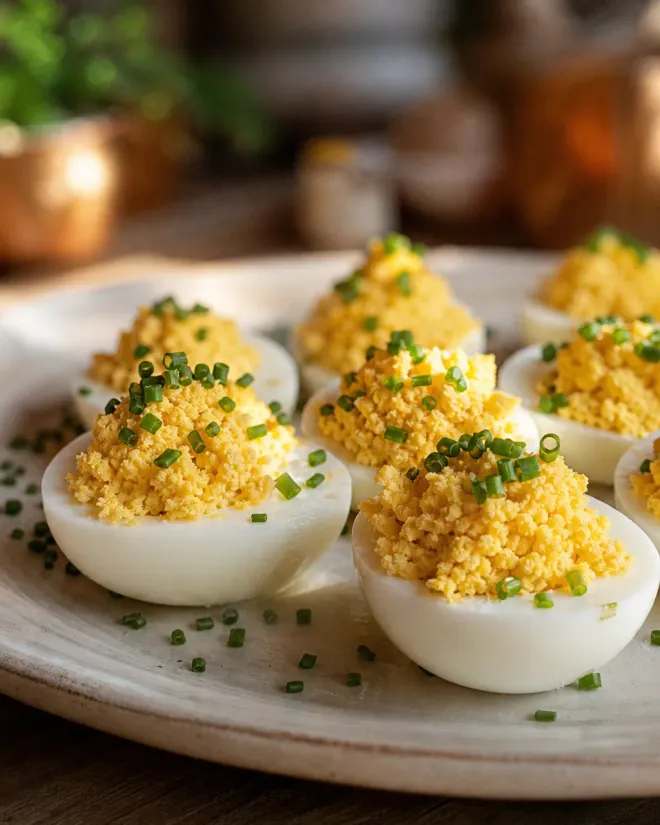 Entrée Easy difficulty
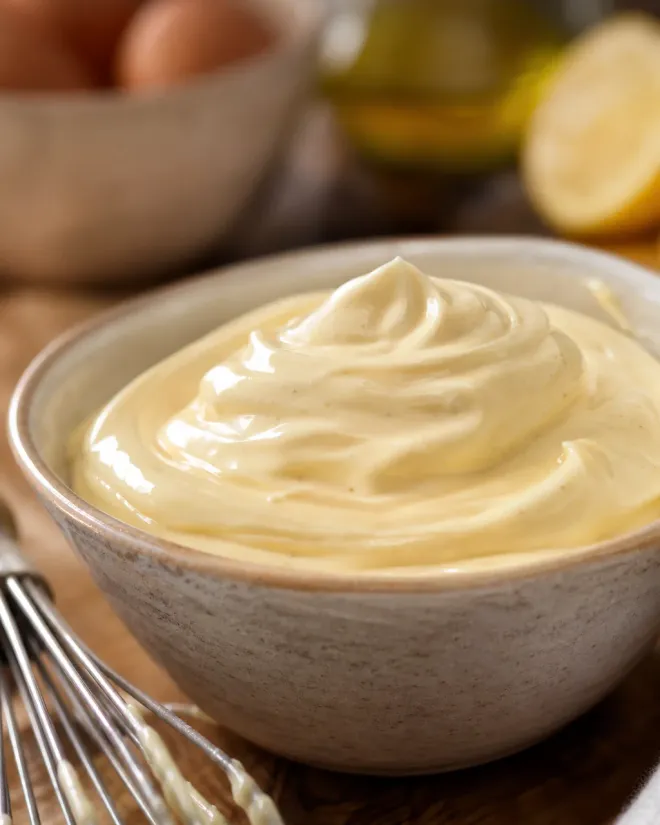
Hard egg halved, mayonnaise hidden in the middle, yolk crumbled back over the top like golden snow — named for a February flower, armed with a sieve, and infinitely more precise than the buffet dish your memory is suggesting.
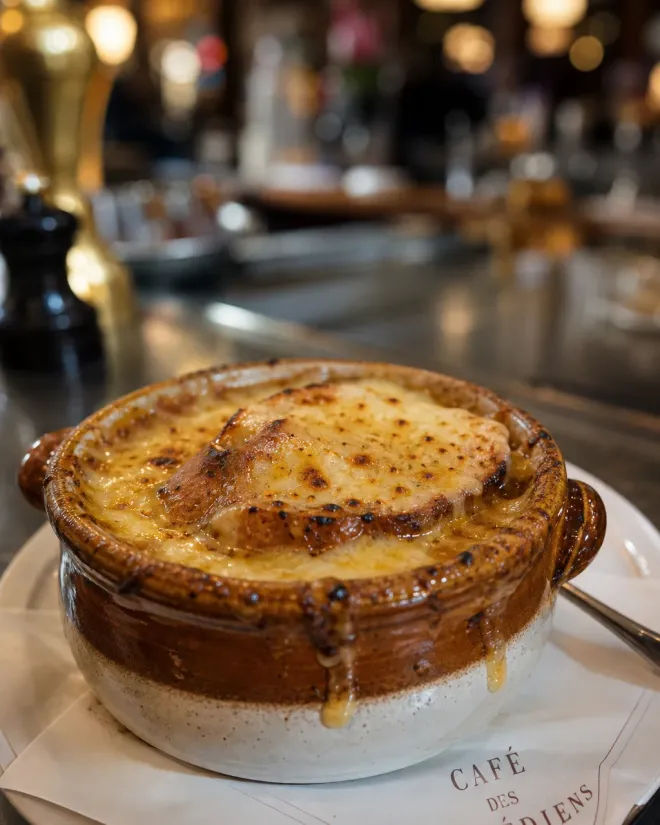 Entrée Easy difficulty
The soup that keeps bistros open past midnight. An honest onion soup: 50 minutes of caramel, one good stock, and a gruyère lid worth the burn.
The foundations behind the french starter recipes — techniques every recipe above quietly depends on. All the foundations →
Soups in winter, salads with a proper vinaigrette year-round, eggs in every configuration (oeufs mayo, oeuf mimosa), charcuterie, and a few bistro classics like French onion soup and escargots. It is a small, vegetable-forward course — its job is to open the meal, not to fill anyone.
Vinaigrette and good greens, oeufs mayo, or French onion soup — all marked easy here and all built from supermarket staples. None of them needs equipment beyond a whisk and a pan.
Yes. The modern version is tied to Les Halles, the old central market of Paris, where it fed the night workers, and to the brasseries that served it as a late-night closer. The bread-and-melted-cheese lid is not decoration; it is the point.
Most scale well — oeufs mayo, tapenade toasts and the soups all work for a crowd. The French version of party food has its own name and its own hour, though: l'apéro, the sacred pre-dinner drink-and-bites ritual.