 Plat Hard difficulty
Sauce
Fond Brun (Demi-Glace)
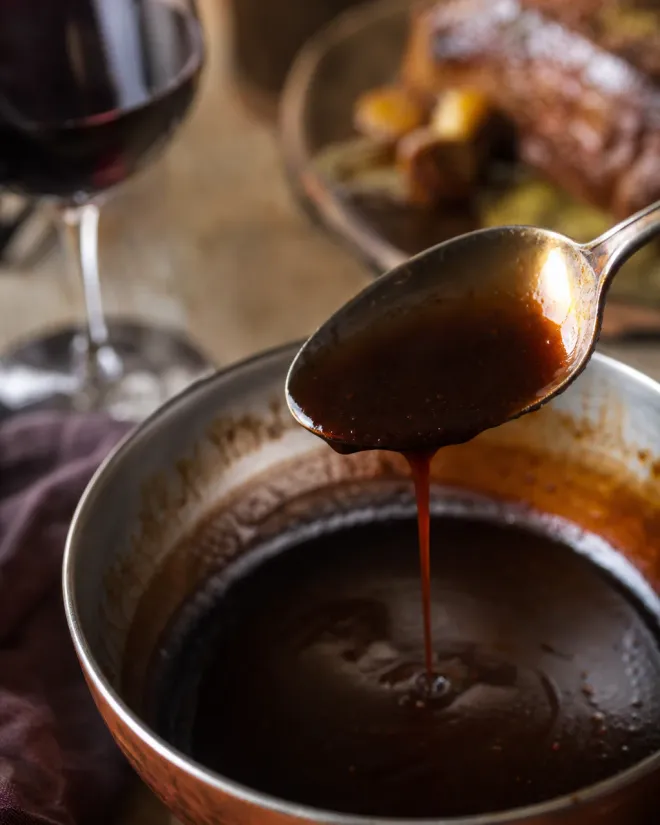
Roasted bones, cold water, six hours of watching a pot refuse to boil — the brown stock under demi-glace and every great dark sauce. Level: hard, but only on your calendar.
31 bases — the sauces, creams, doughs and techniques every French recipe quietly stands on.
French cooking is not a list of dishes. It is a short list of bases, reused until retirement. The béchamel behind the croque-monsieur is the same béchamel behind the endives au jambon; the crème pâtissière inside an éclair is the one inside a mille-feuille, a tropézienne, a choux. This page is that short list — the 31 foundations the rest of the kitchen stands on, from the five mother sauces to the tart doughs.
Each base gets the same treatment as every recipe on this site: what it is, when France actually uses it, the mistake that ruins it, and the measurements — grams and cups, °C and °F. They come in five families below: the sauces (including the five mothers), the creams, the doughs, the meringues, and the techniques that refuse to fit anywhere else.
Where to start: the five mother sauces are the classic American entry point — béchamel, velouté, hollandaise, tomato, and the brown sauce Escoffier called espagnole (covered here in its refined form, demi-glace). If you bake, start lower on the page: pâte brisée before any tart, crème pâtissière before any choux. Learn a mother and you have learned a dozen dishes.
Béchamel, velouté, hollandaise, tomato, demi-glace — plus the compound sauces and broths built on them.
Plat Hard difficulty Roasted bones, cold water, six hours of watching a pot refuse to boil — the brown stock under demi-glace and every great dark sauce. Level: hard, but only on your calendar.
 Plat Easy difficulty
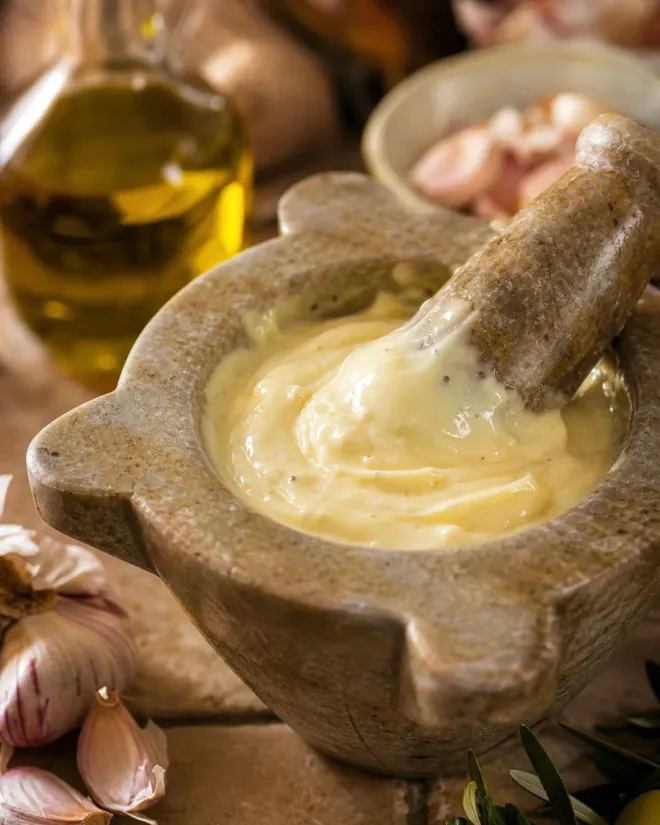
Garlic pounded into oil until the paste turns ivory and stands up on a spoon. In Provence this is not a condiment — it is an occasion with a calendar slot.
 Entrée Easy difficulty
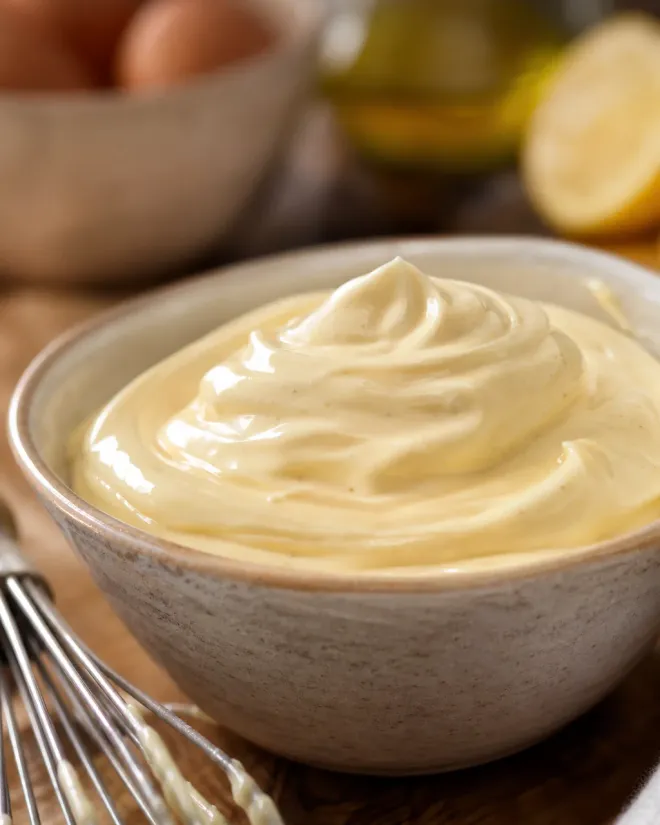
One yolk, two hundred millilitres of oil, and the only sauce France refuses to buy in a jar. The emulsion that taught every other sauce what a whisk is for.
 Plat Easy difficulty
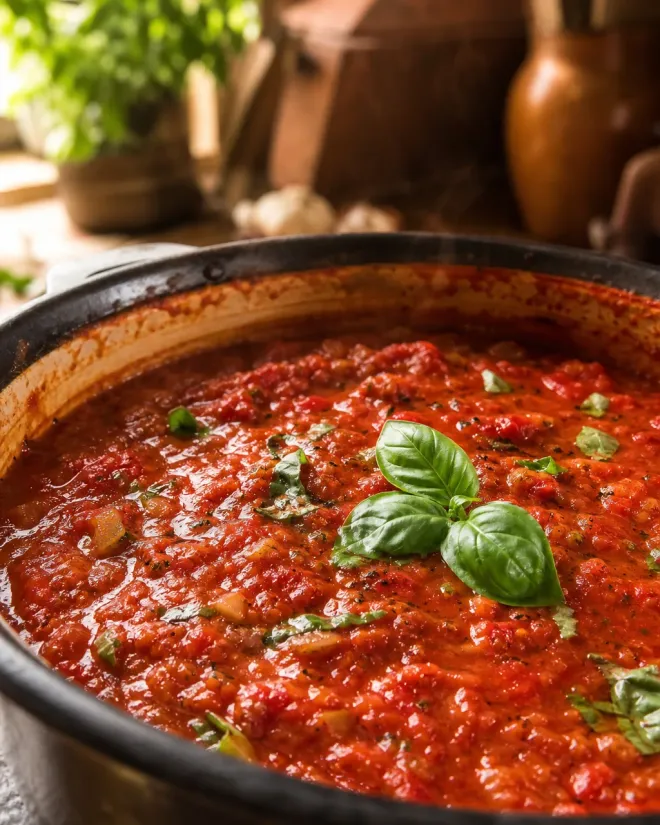
The newest mother sauce and the last to be trusted — a foreigner who got its French citizenship in 1903, wearing a roux and salt pork. Simmered long, darkened deep, nothing like the quick stuff.
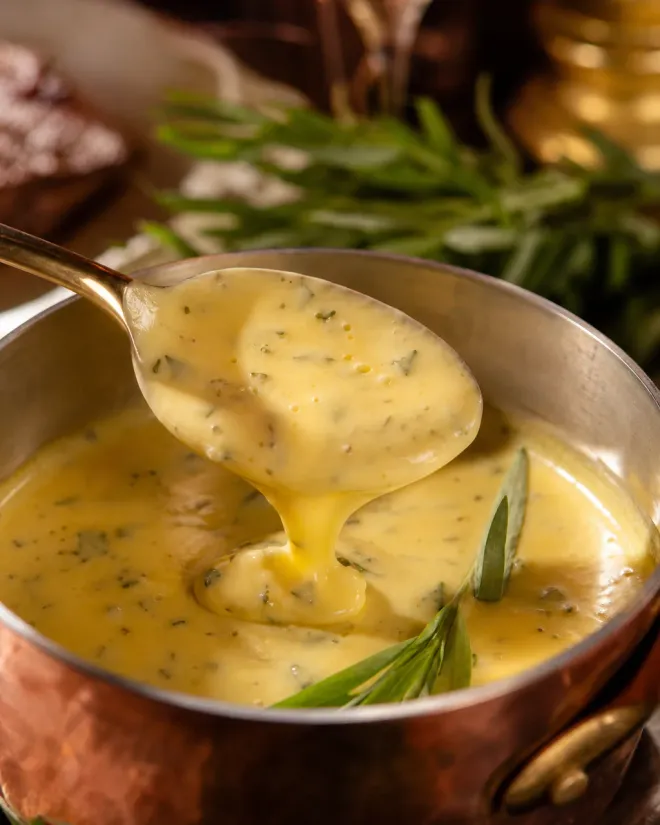 Plat Hard difficulty
Hollandaise's educated daughter — the same warm emulsion, raised on tarragon, shallots and white wine. Born in Paris in 1836, named after a king, eaten with steak ever since.
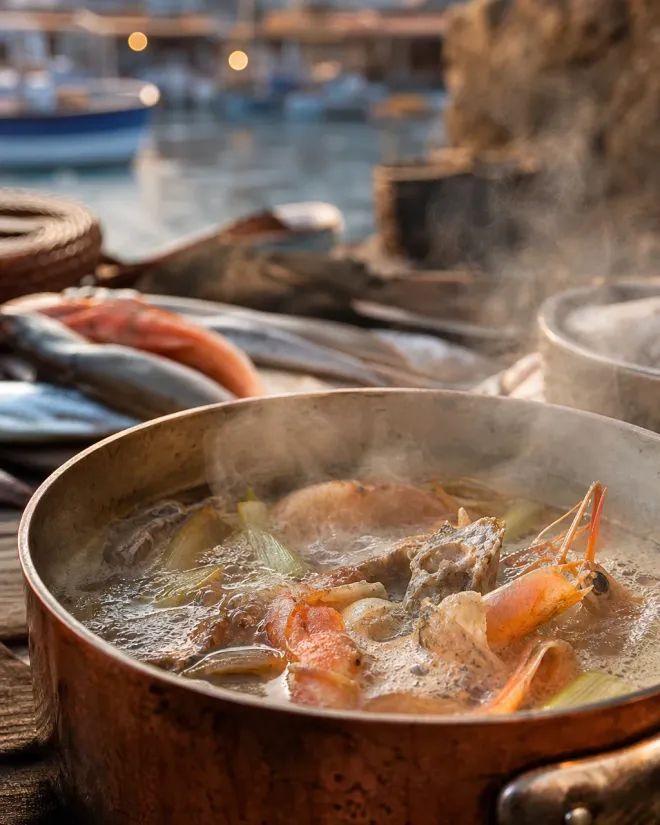 Plat Easy difficulty
Fish bones, white mirepoix, twenty-five minutes — the fastest of all the French stocks and the easiest to ruin by lingering. The sea's own fond, white as paper and gone bitter if you look away.
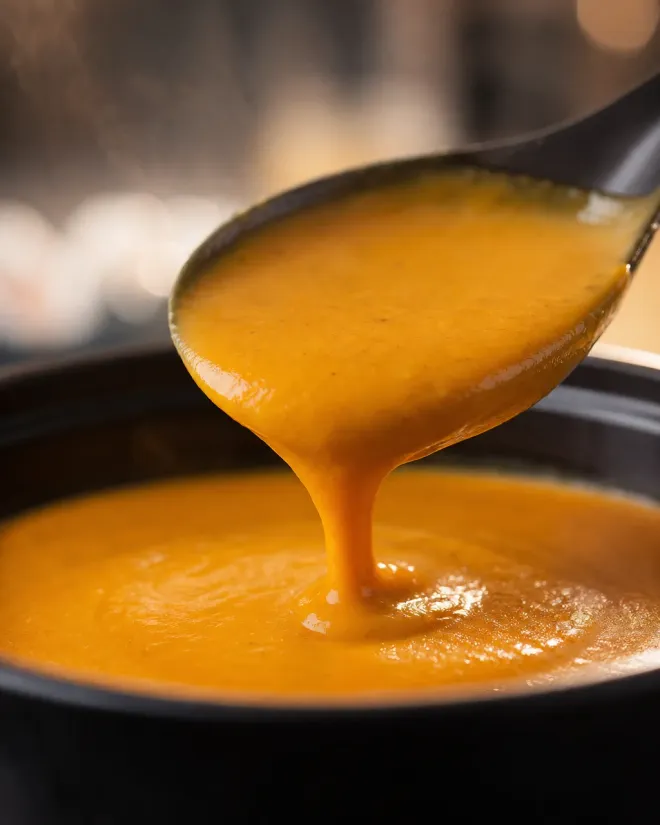 Plat Easy difficulty
Blond roux and white stock — the mother sauce named for the texture it demands. The velvet one of the family, and the ancestor of half the great fish and poultry sauces of France.
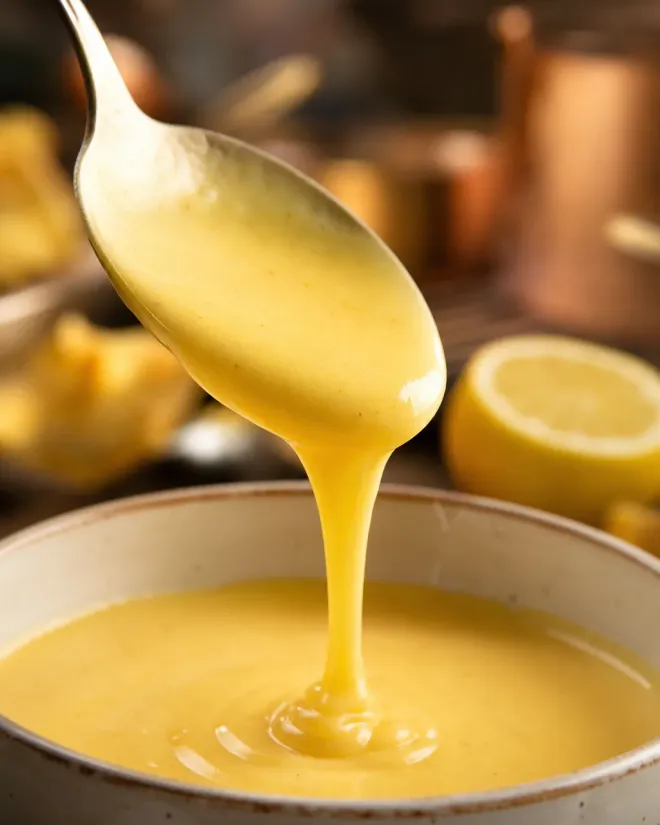 Plat Hard difficulty
Butter, yolks and acid balanced on sixty degrees of margin — the warm emulsion that crowns asparagus and haunts apprentice cooks. Feared, famous, and entirely fixable.
Pastry cream and its whole family — anglaise, mousseline, diplomate, ganache — the fillings of French pâtisserie.
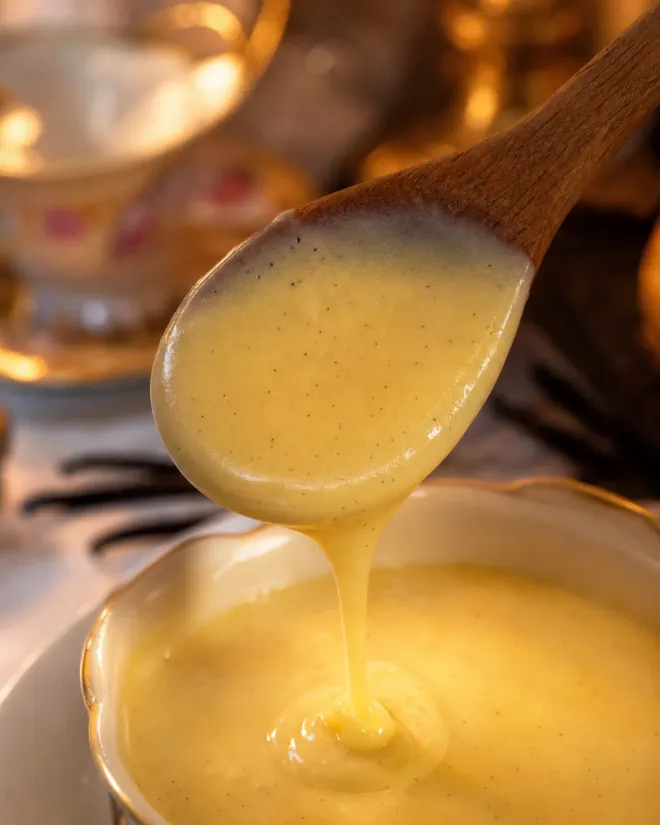 Dessert Easy difficulty
The stirred custard that must never boil — a liquid silk that lives in the three degrees between creamy and scrambled. The mother sauce of every French dessert table.
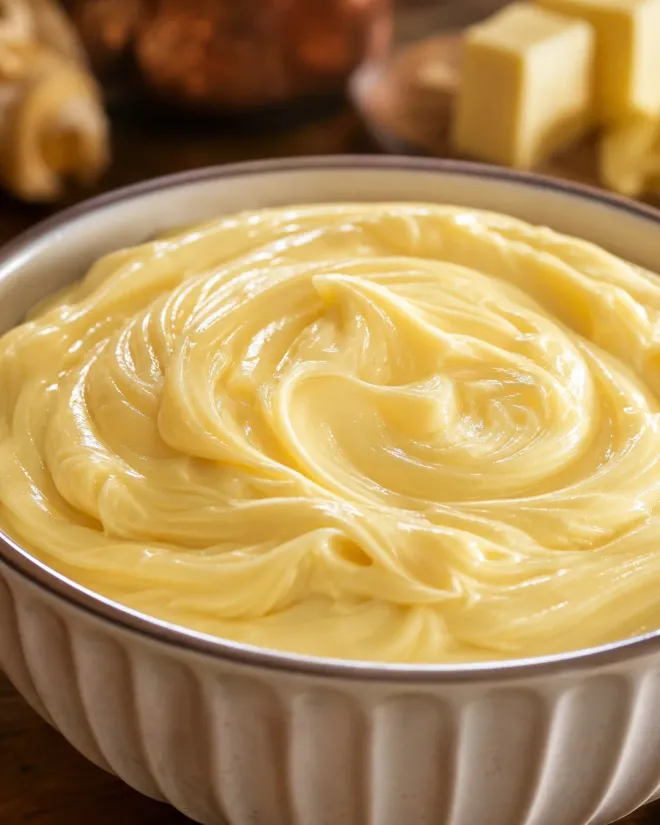 Dessert Medium difficulty
The cream that is half butter and all discipline — syrup cooked to a thread, whipped into yolks, then emulsified one degree at a time. Badly made it is a greasy paste; well made it melts before you can apologize to it.
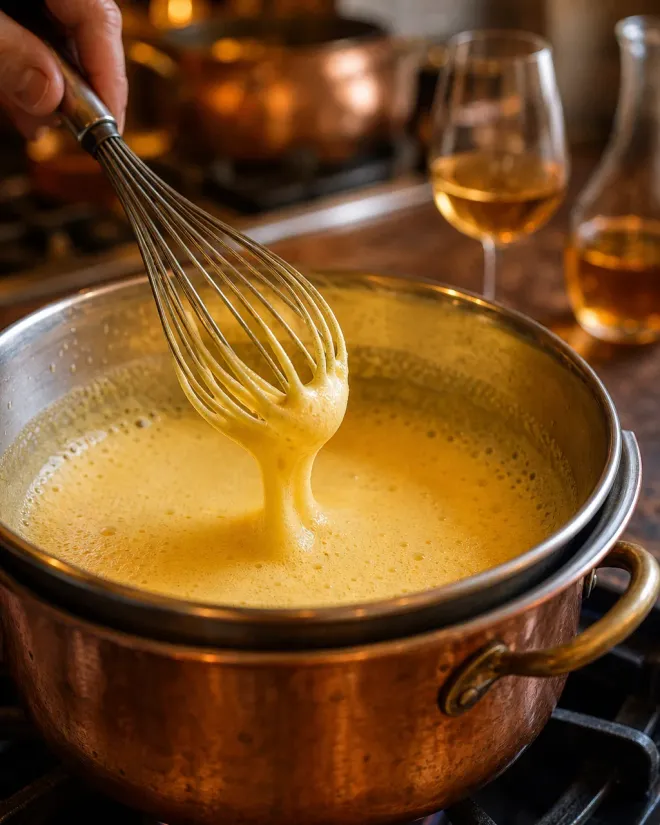 Dessert Medium difficulty
Egg yolks whipped over steam with wine until they triple in volume and turn golden — a cream with no cream in it, held together entirely by heat, sugar and stubborn wrists.
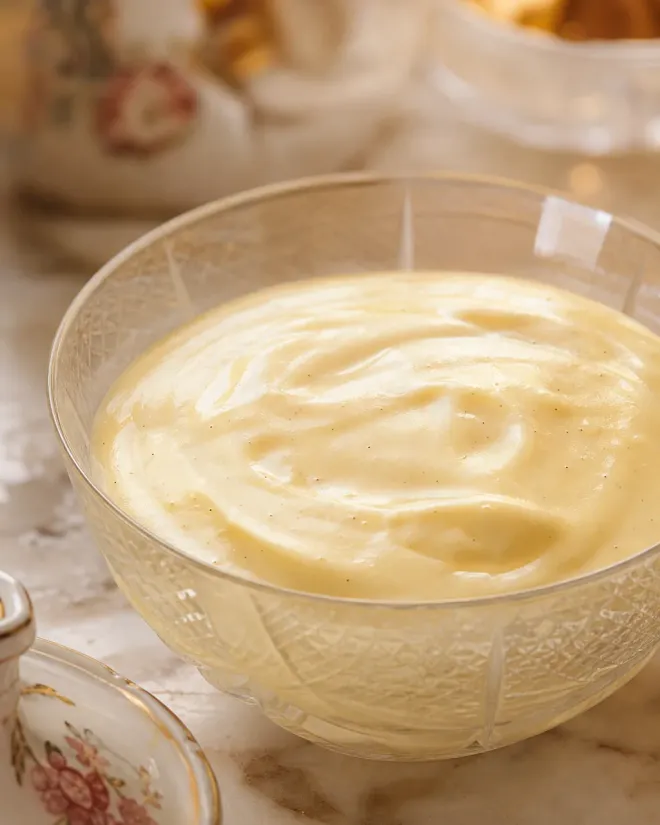 Dessert Medium difficulty
A custard that learned to hold its own shape — pastry cream, gelatin and whipped cream, folded in a window of minutes and moulded overnight. The dessert that taught French pastry that air can be architecture.
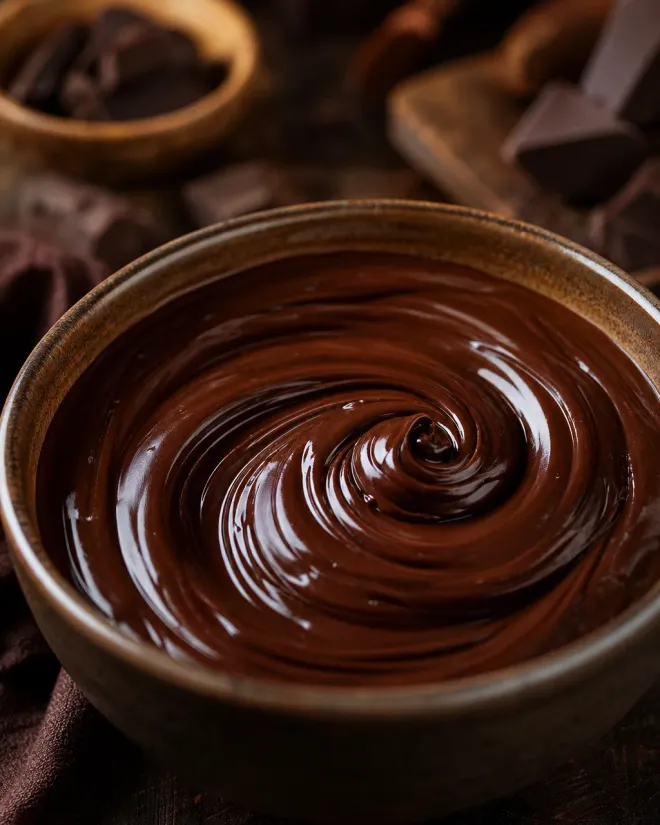 Dessert Easy difficulty
Two ingredients that refuse to mix until heat and patience convince them — an emulsion so simple that its own name means 'klutz'. The ratio is the recipe; everything else is temperature.
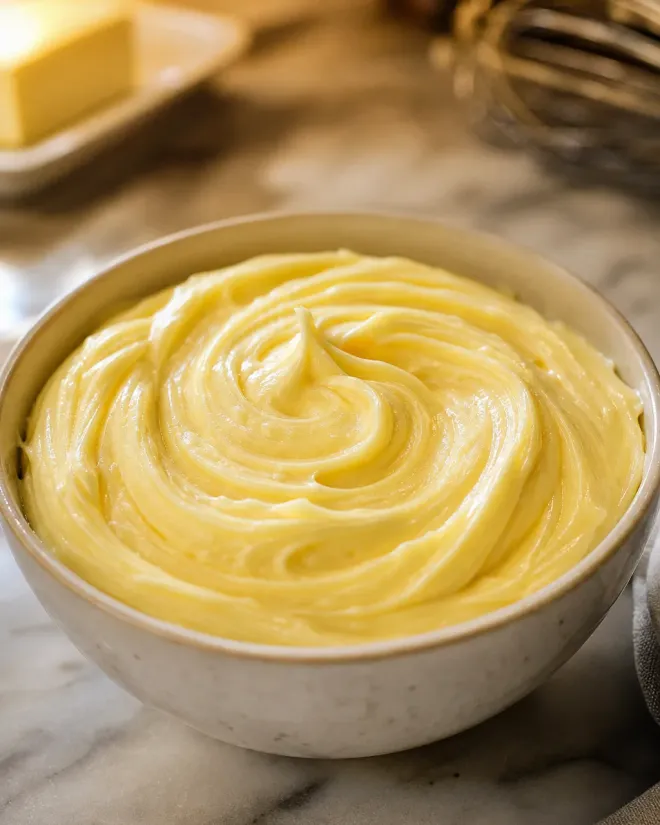 Dessert Medium difficulty
Crème pâtissière that went to finishing school — beaten with butter until it pipes like silk and stands like architecture. The cream inside a Paris-Brest is not decoration; it is the argument.
Brisée, sucrée, sablée, brioche, choux, feuilletée — the crusts and the lifts of the French kitchen.
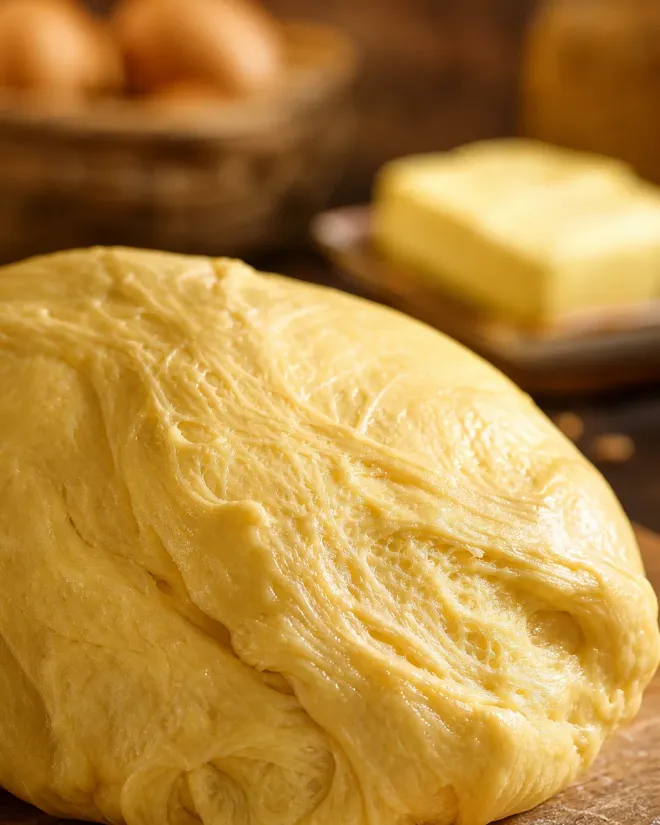 Dessert Medium difficulty
Half bread, half butter, no apologies — a yeasted dough so enriched it has to be kneaded into submission and chilled overnight just to behave.
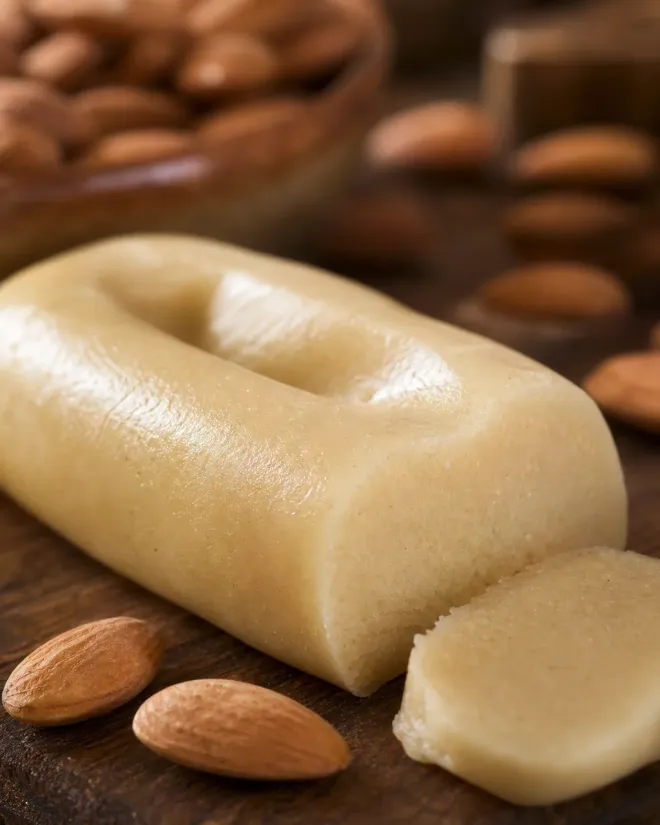 Dessert Easy difficulty
Almonds and sugar chewed into a paste — the pâtisserie's modeling clay, candied-fruit coating, and the reason almond croissants exist. Two ingredients, infinite opinions.
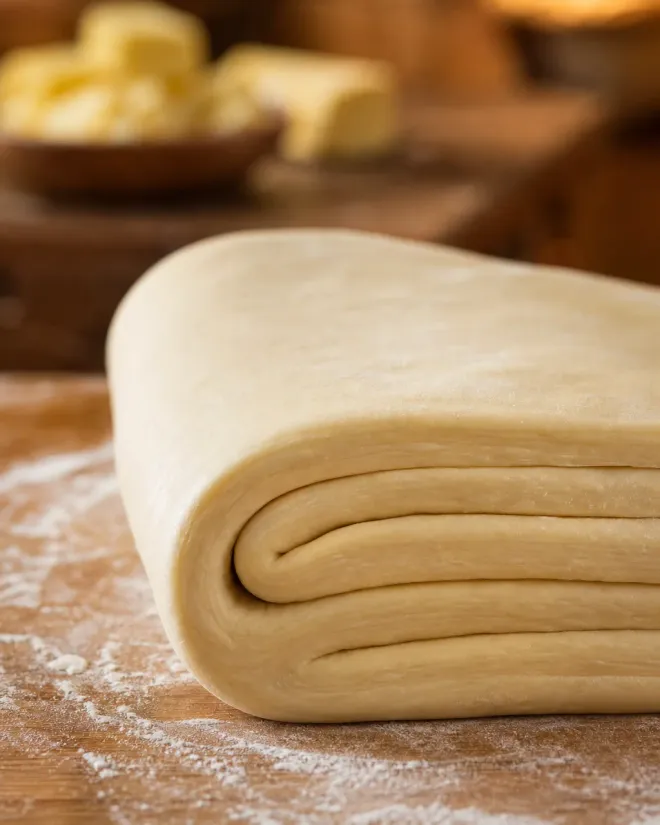 Dessert Hard difficulty
Brioche dough with a butter secret: the laminated, yeasted pastry behind every croissant, pain au chocolat and kouign-amann. Yeast wants warmth, butter wants cold, and you referee.
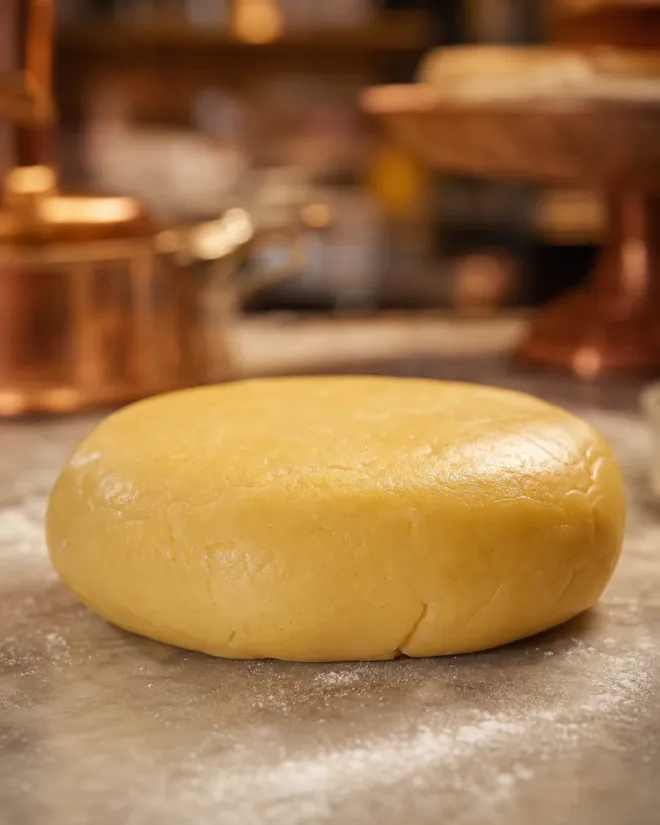 Dessert Easy difficulty
The sweet dough that behaves — creamed butter, sugar and egg built into a cohesive pastry that rolls paper-thin and carries the pâtisserie window's most delicate tarts. Crisp, not flaky; sweet, never apologetic.
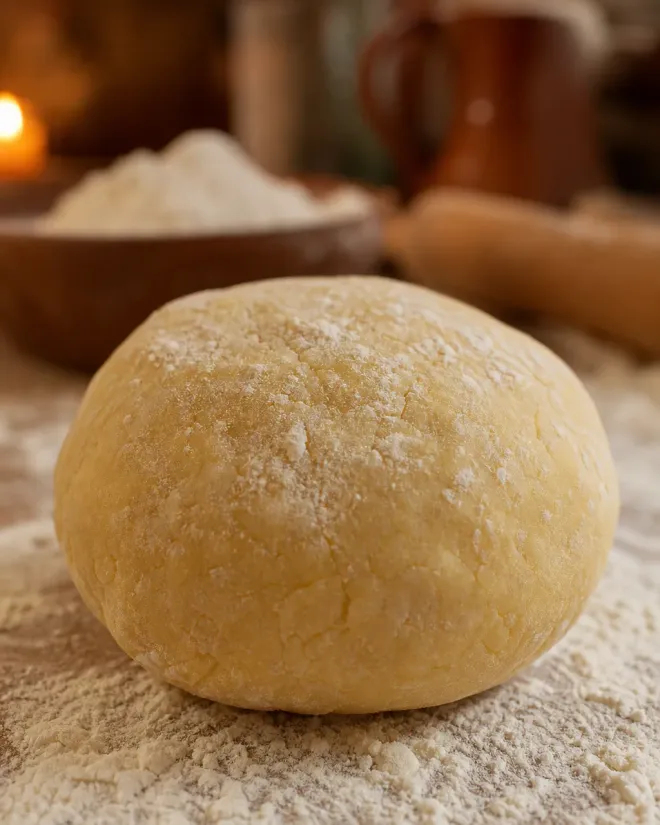 Plat Easy difficulty
Flour, butter, water, salt — and the discipline to stop before you ruin it. The workhorse crust of France, where every extra drop of water is a debt the oven will collect.
French, Italian, Swiss — same three ingredients, three textures, three uses.
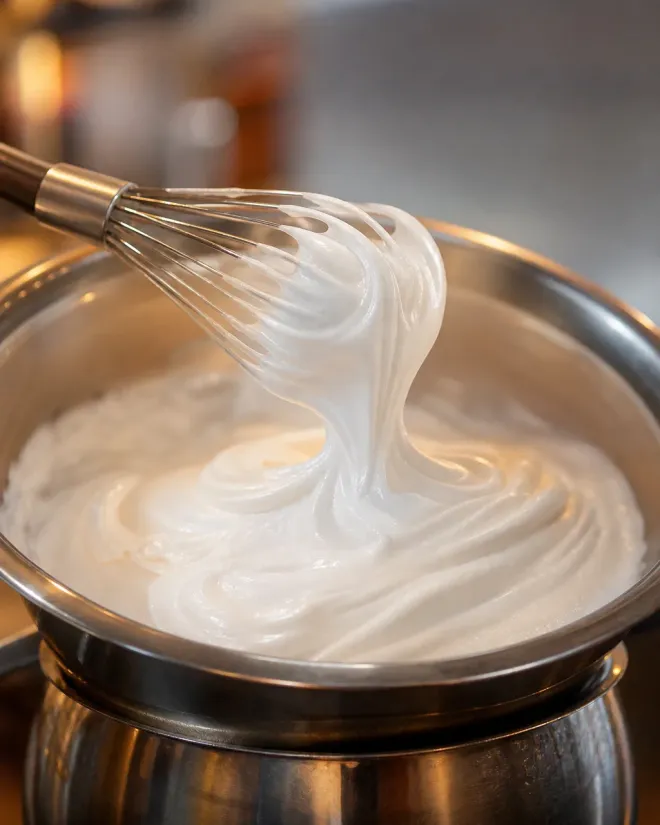 Dessert Medium difficulty
Whites and sugar warmed together over steam, then whipped into the densest, glossiest meringue of the three — the sculptor's foam that pipes like porcelain and never weeps.
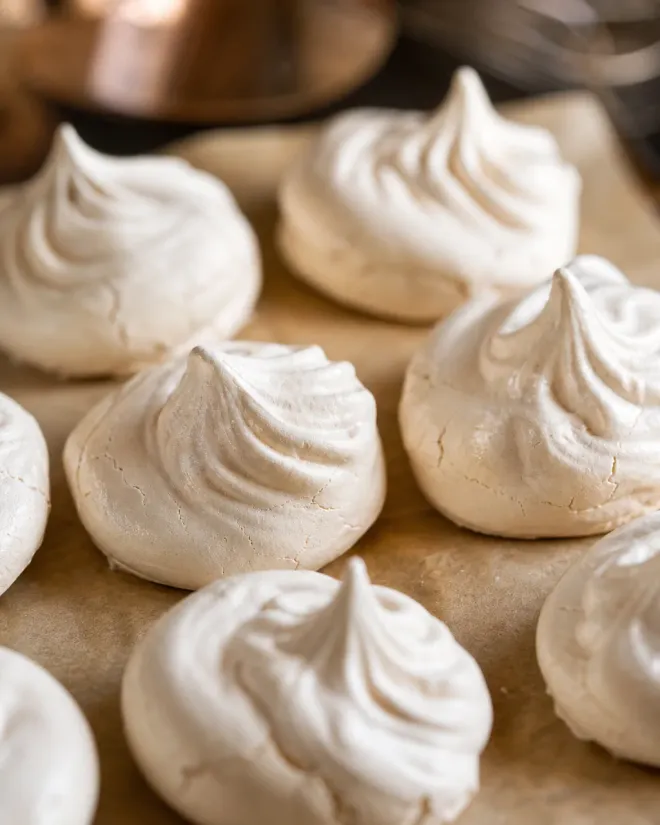 Dessert Easy difficulty
Whites, sugar, and nothing in between — the oldest meringue, made raw and judged by whether the sugar squeaks. The simplest of the three and the only one you can poach.
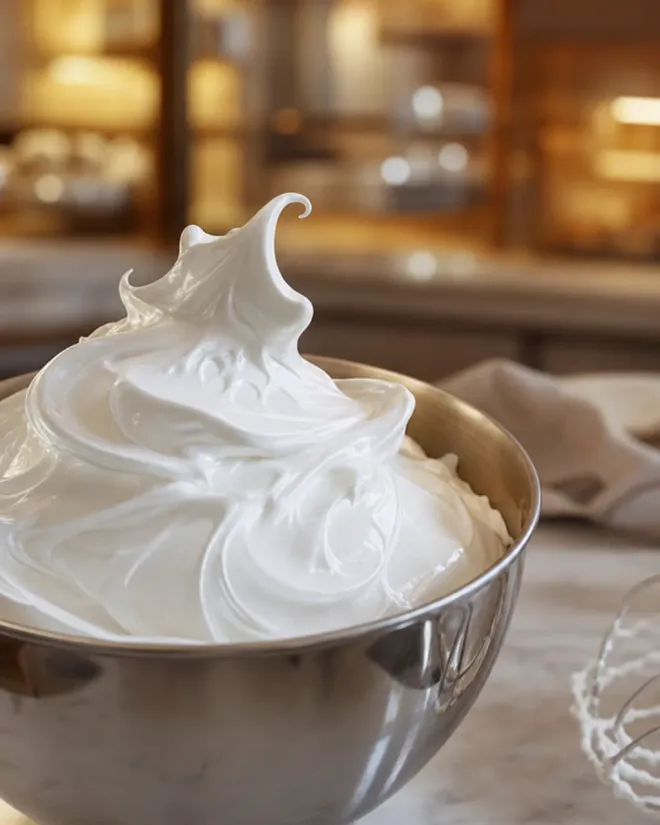 Dessert Medium difficulty
Sugar syrup poured at 118 °C onto whipping whites — a meringue with a boiled heart, stable enough to build on and polite enough to eat raw.
The supporting cast: mirepoix, duxelles, caramel, praliné — the quiet tricks behind everything else.
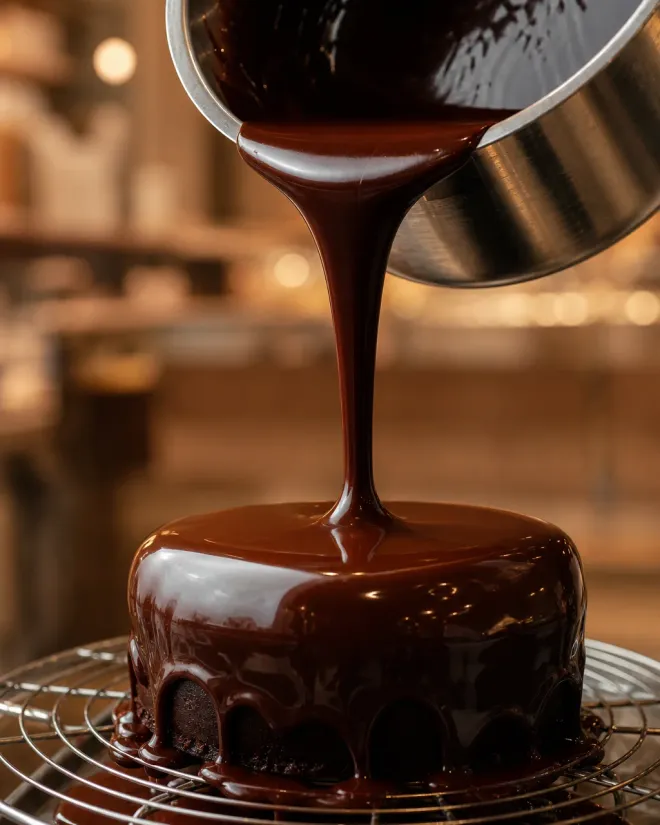 Dessert Hard difficulty
A gelatin glaze poured at exactly 30–35 °C onto a frozen entremets — the mirror finish that made modern pastry look like glassware. All shine, and none of it is luck.
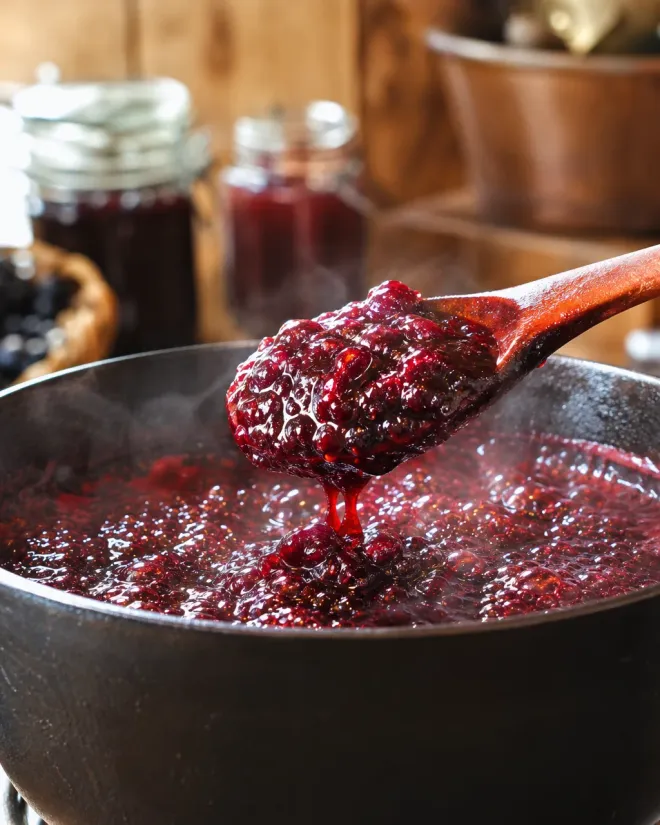 Dessert Easy difficulty
Fruit, sugar and a rolling boil: the preservation France turned into a national breakfast institution. One thermometer, one cold plate, and the difference between jam and syrup.
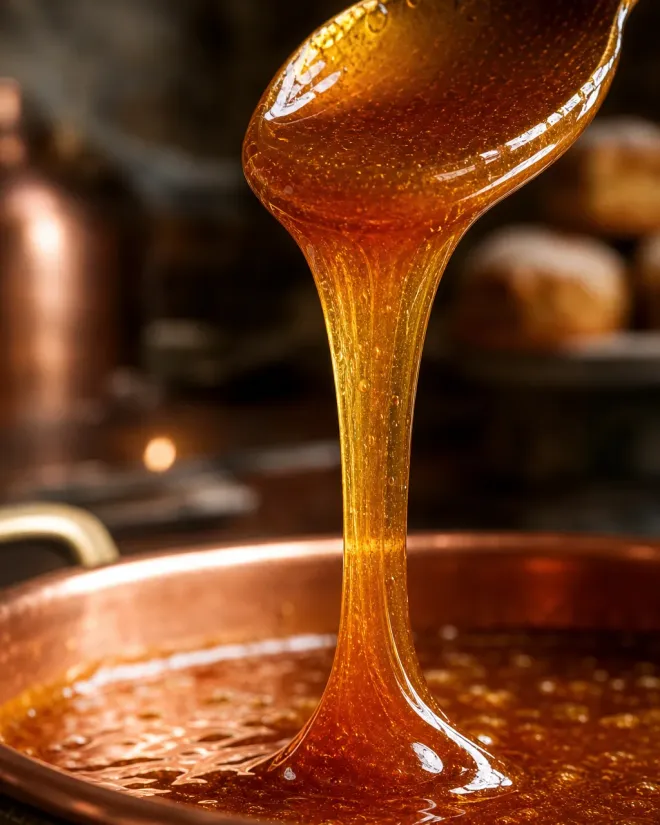 Dessert Medium difficulty
One ingredient, heated past its own identity — sugar's second life as color, flavor and structure. The only recipe in this kitchen where the shopping list is a single line.
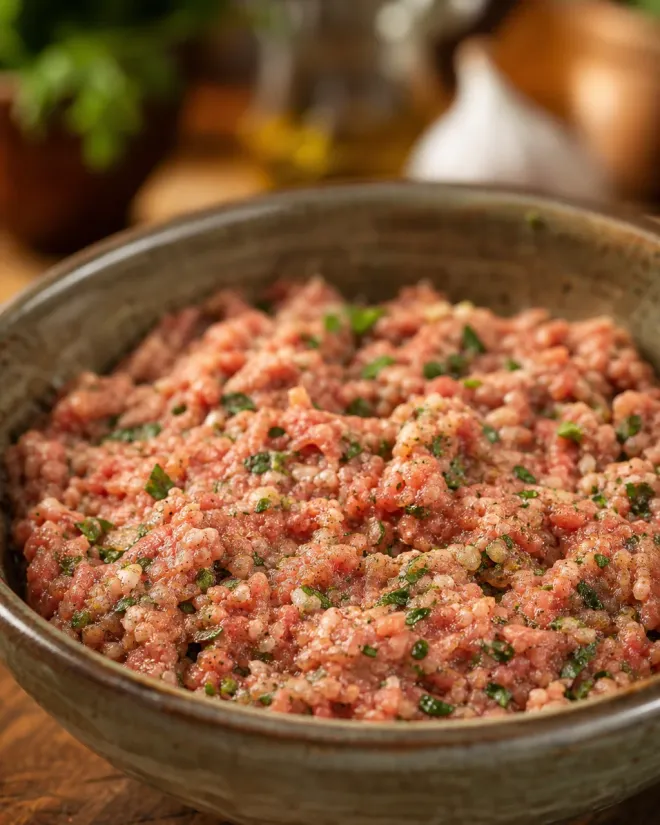 Plat Medium difficulty
Meat, fat and a binder in a balancing act disguised as stuffing. The French kitchen's most underestimated technique — and the only one you taste-test by poaching a spoonful.
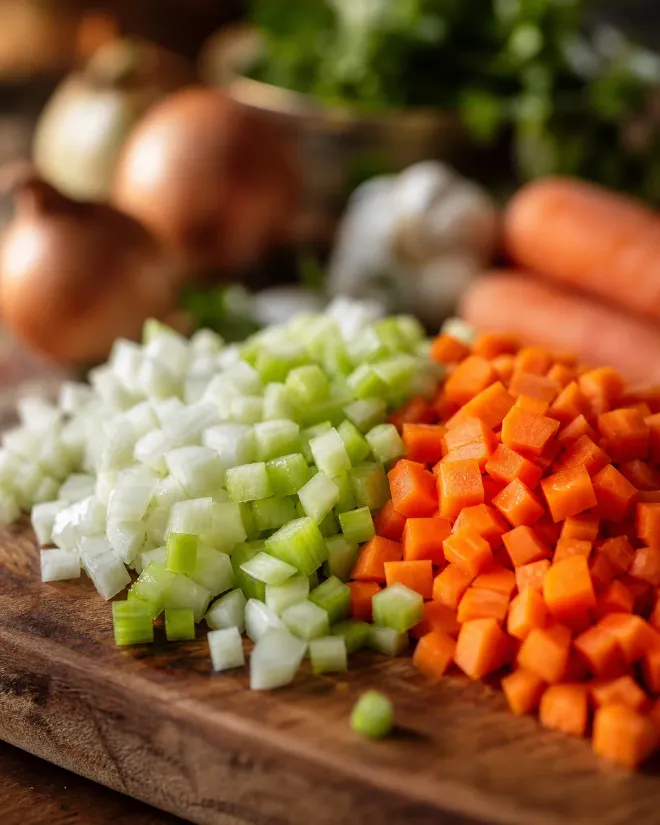 Plat Easy difficulty
Onion, carrot, celery — cut to a size, sweated to a color, and strained away before service. The most important vegetables in French cooking are the ones you never see.
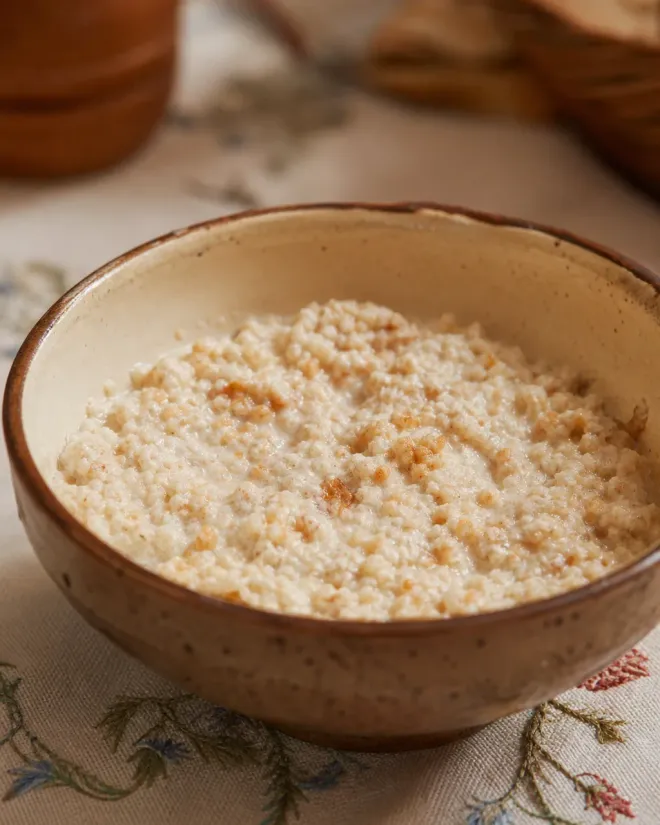 Plat Easy difficulty
Flour cooked into liquid and fat until it becomes paste — the humble starch base that becomes choux pastry, quenelles and every French farce that holds together.
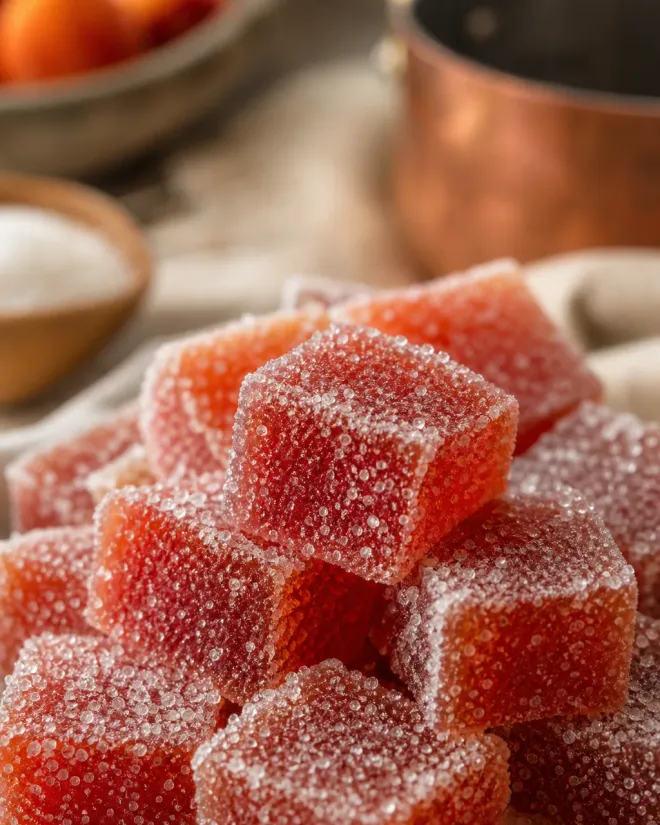 Dessert Medium difficulty
Fruit purée cooked with pectin until it sets like amber, cut into sugared cubes — the confiserie's jellied diamond. Not jam: candy, and it knows the difference.
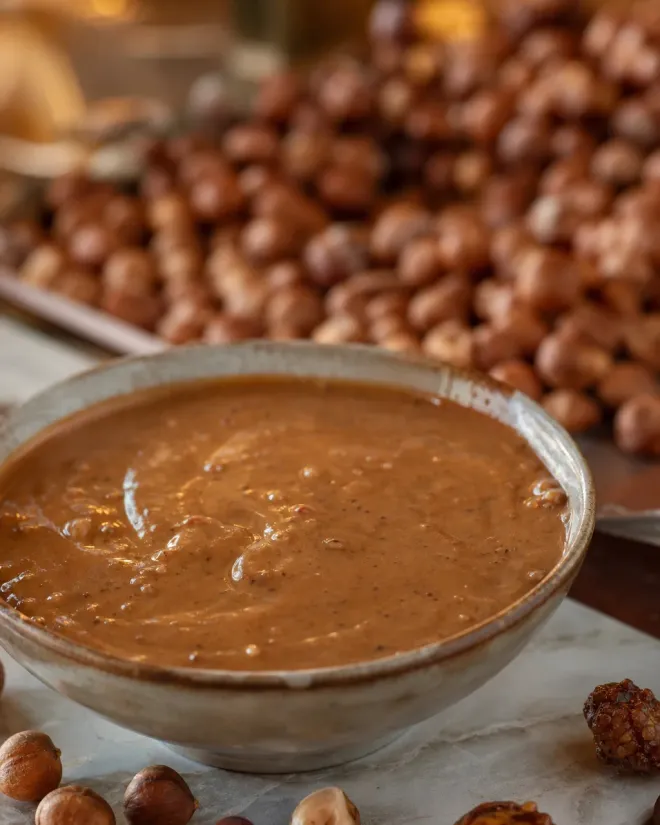 Dessert Medium difficulty
Nuts cooked into caramel, then ground until the caramel surrenders and the paste flows. France's flavor concentrate — half the pâtisserie counter tastes of it and never says so.
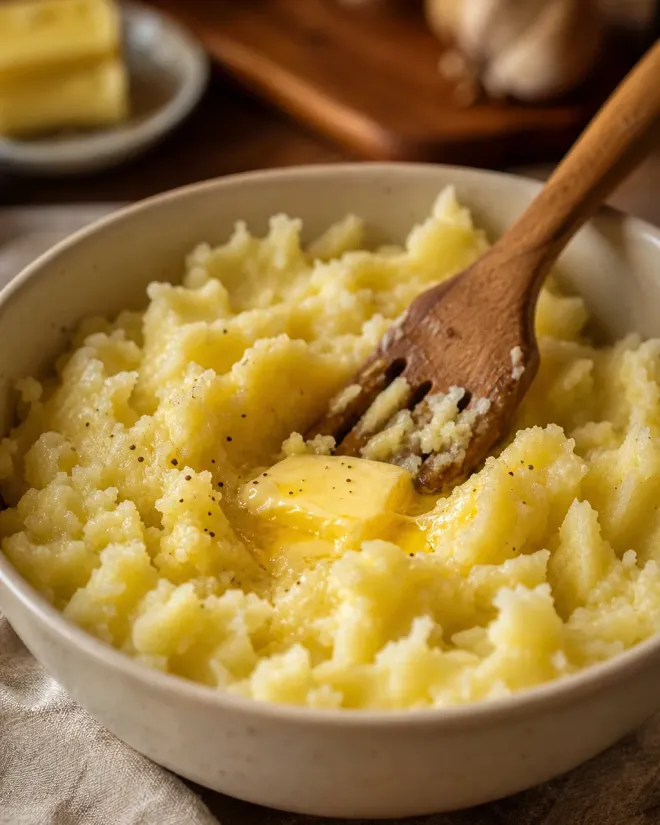 Plat Easy difficulty
France's mashed potato: fork-crushed, dried over the flame, finished with salted butter — and never, under any circumstances, allowed near a food processor.
The Escoffier canon: béchamel, velouté, hollandaise, tomato, and espagnole — the brown sauce this site covers in its refined form, demi-glace. Every classic French sauce is one of these five, dressed up.
Pastry cream (crème pâtissière) is milk, yolks, sugar and starch, cooked thick. Crème diplomate is the same pastry cream folded with whipped cream — lighter, built for charlottes and fraisiers. Same base, different job.
No. Every recipe on this site stands alone and tells you what it needs. The bases are the why behind the how — once you know a béchamel, every gratin stops being a recipe and becomes an instinct.
The three French crusts: brisée is the plain workhorse (quiches), sablée the sandy one (fruit tarts), sucrée the sweet, sturdy one (custard and lemon tarts). All three live in The Doughs below — with the blind-bake they each demand.