 Dessert Easy difficulty
Kitchen
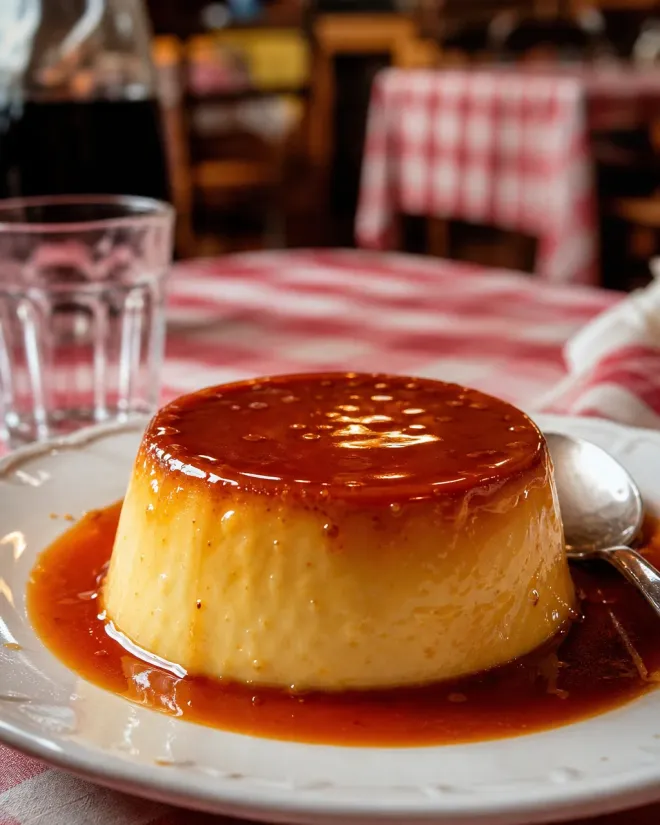
Crème Caramel
The flan that crossed borders and kept its caramel. Milk-baked custard, amber syrup, and the unmolding that rewards patience and a warm knife.
46 recipes. The real French repertoire — custards, tarts, clafoutis and the pâtisserie monuments — in plain English, with grams and cups.
The French dessert reputation runs on a misunderstanding. The shop windows of Paris — the spun sugar, the mirror glazes, the little sculptures — are professional work, the way wedding cakes are, and no French home cook makes them on a Tuesday. What France actually bakes at home is a quieter repertoire: custards that are mostly eggs and cream, tarts that are mostly fruit, cakes that exist because a grandmother had yogurt pots to use up. This page is that repertoire — 46 desserts and counting — plus the pâtisserie monuments for when you want a project.
Every recipe explains the culture around it — when we eat it, which region claims it, the mistake every first-timer makes — and lists measurements in grams and cups, oven temperatures in Celsius and Fahrenheit. Difficulty is marked honestly: one baguette means a child could do it, three means clear an afternoon. Special equipment is rarely required; a broiler stands in for a torch, a whisk stands in for a stand mixer, and the grandmothers who invented half of this owned neither.
Start with the picks below. If you own a kitchen torch — or will buy one for ten minutes of glory — the crème brûlée has the best theater-per-effort ratio on this site. If you own nothing but fear, make the clafoutis.
Four ingredients, ten minutes of work, and the crack that silences a table. The torch is theater; a broiler does the same job.
The caramelized apple tart born from a hotel kitchen accident. Upside-down, buttery, unforgivable with crème fraîche.
The molten chocolate cake French restaurants sell to Americans at criminal margins. Five ingredients, eight minutes of baking, zero survivors.
Three ingredients, no oven, no mixer. The dessert every French person makes when nobody planned dessert.
Shell-shaped cakes famous for their hump. The batter rests overnight; the psychology of the hump gets its own paragraph.
Pancake batter poured over cherries. The easiest dessert on this site that still tastes unmistakably French.
Dessert Easy difficulty The flan that crossed borders and kept its caramel. Milk-baked custard, amber syrup, and the unmolding that rewards patience and a warm knife.
 Dessert Easy difficulty
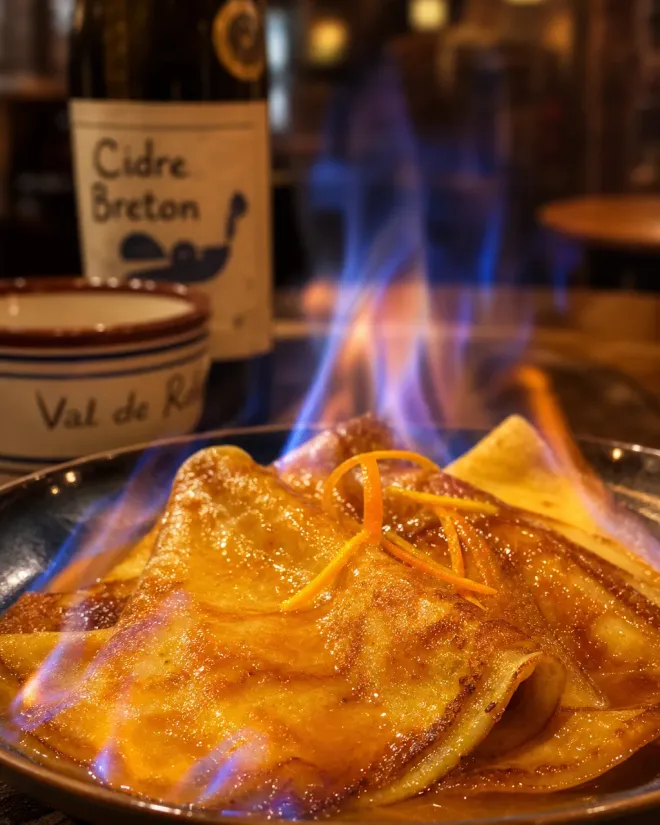
Crêpes flambéed in orange caramel. Tableside theatre, optional eyebrows — the butter sauce, the safe flambé, and the 1895 story nobody can verify.
 Dessert Hard difficulty
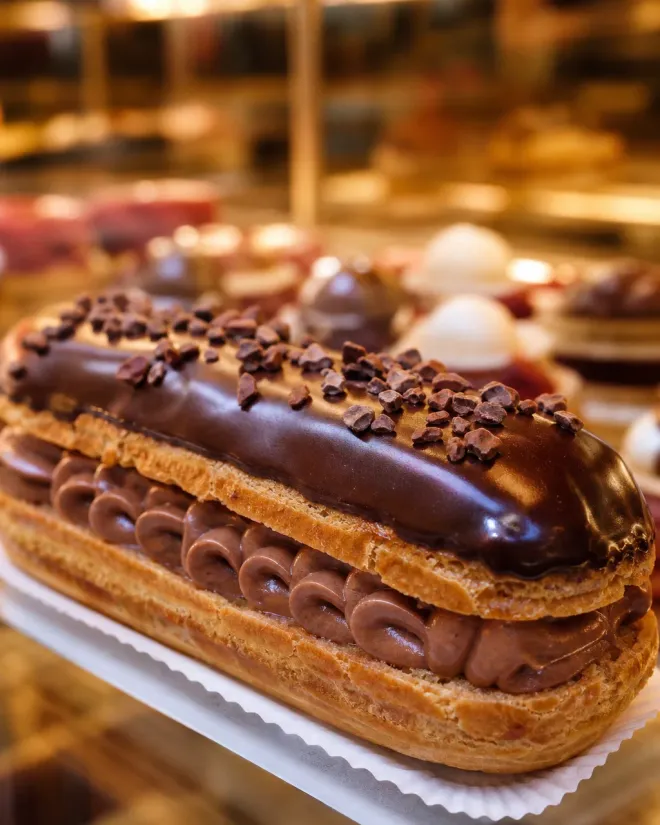
Choux pastry piped into a glove, filled with cold chocolate cream, lacquered with fondant. Named after lightning because nobody, ever, has eaten one slowly.
 Dessert Medium difficulty
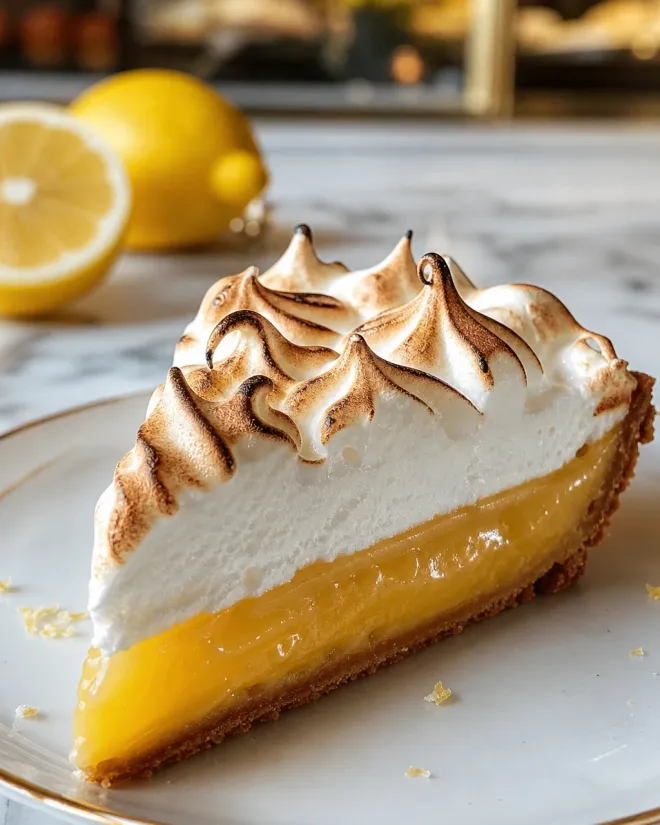
Lemon curd in a sablé shell under a cloud of torched Italian meringue. The pastry case's main event, and the acid test of every pâtissier.
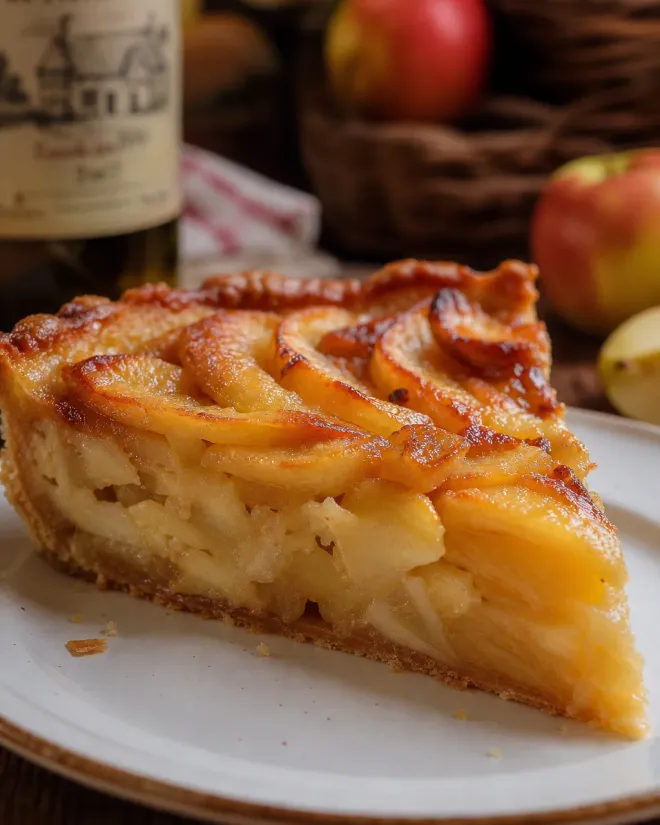 Dessert Medium difficulty
Apple tart that went to school — brisée, apples, then a cream-and-egg flan loosened with a splash of Calvados. Normandy's answer to plain pastry.
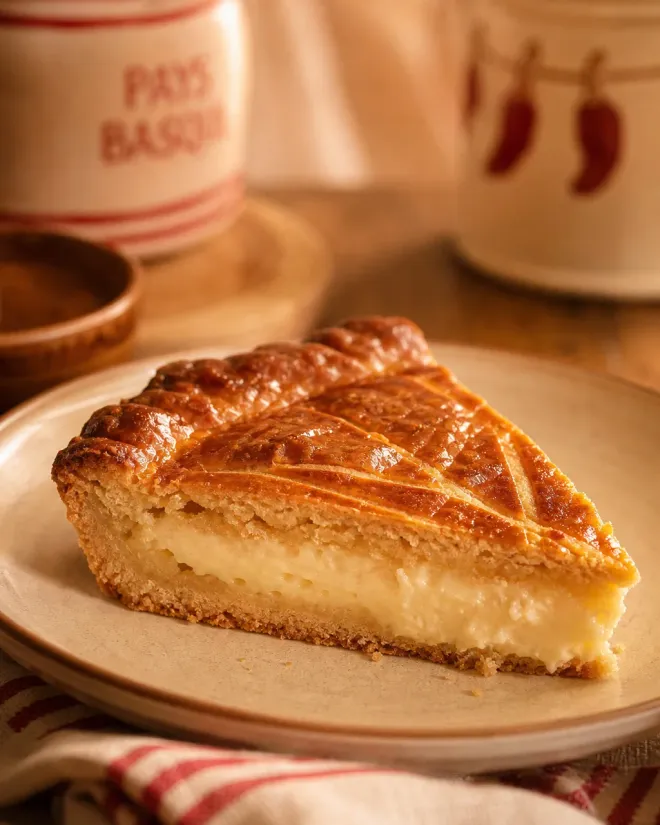 Dessert Medium difficulty
Neither cake nor tart — the Basques never cared what you call it. Thick butter shortbread, cold vanilla cream, and a crosshatch you draw yourself.
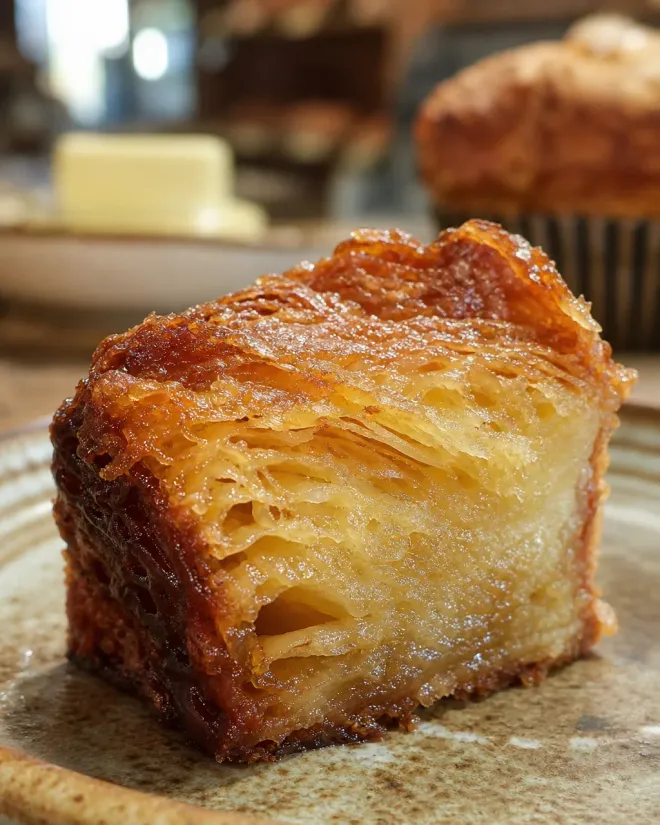 Dessert Medium difficulty
A laminated cake named, literally, butter cake — folded with more butter and more sugar until caramelized into armor. Douarnenez, 1860, holds the recipe.
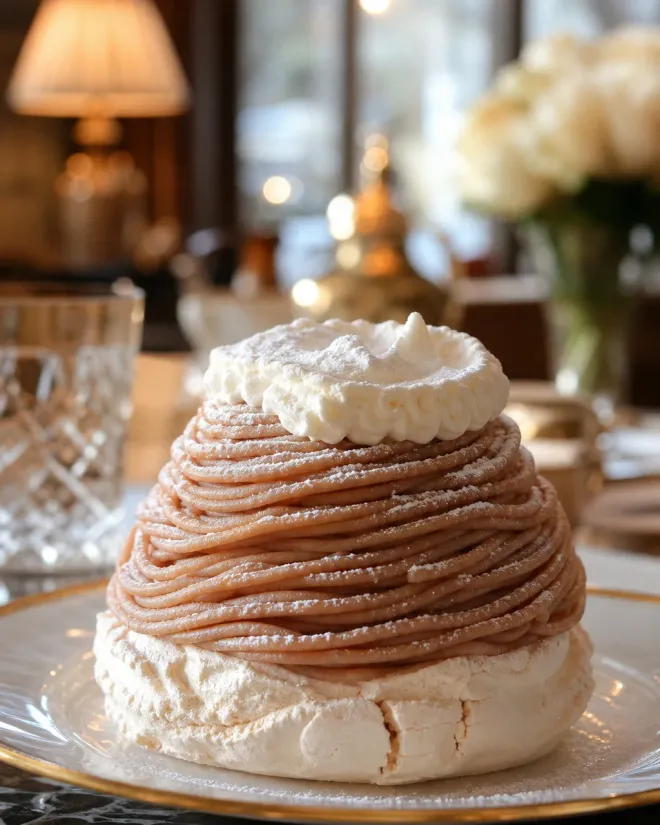 Dessert Medium difficulty
A chewy meringue dome under vanilla chantilly under chestnut-vermicelli snow, named for the peak it vaguely resembles. No climbing gear required; refrigeration is.
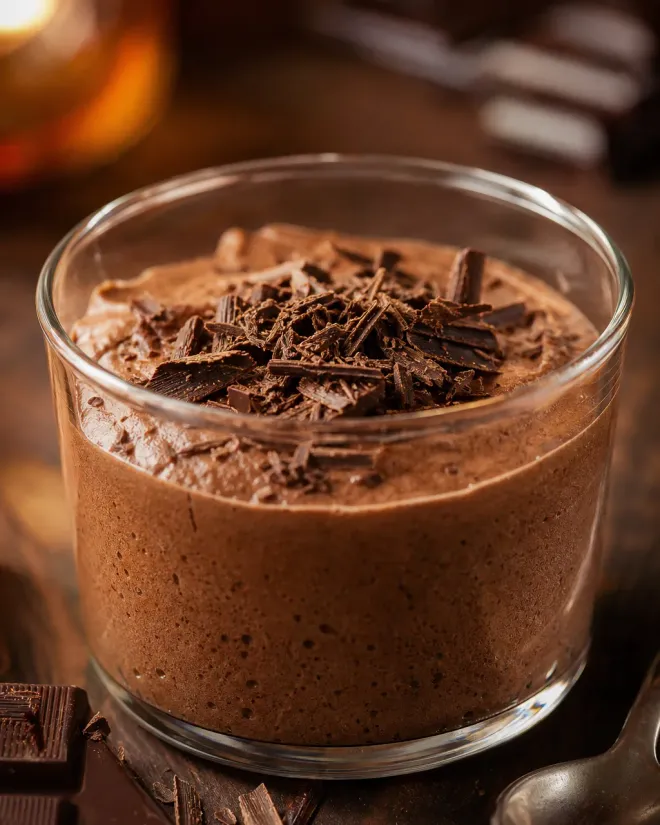 Dessert Easy difficulty
Two ingredients, one whisk, zero mercy for under-whipped whites. The hardest working dessert in French bistros, and still the most reliable.
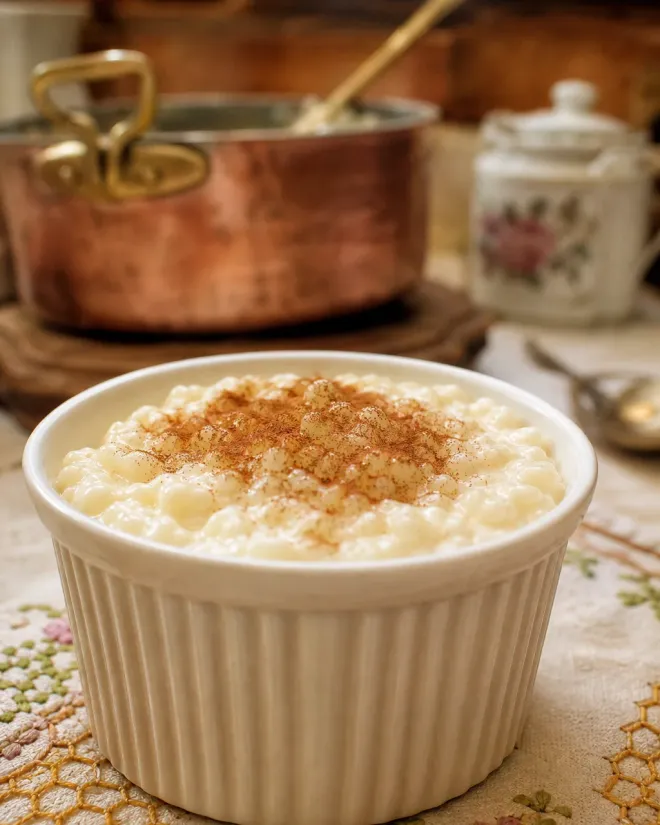 Dessert Easy difficulty
Rice pudding, the French way: vanilla, patience, forty slow minutes of stirring, and no apologies — the dessert that empty fridges invented.
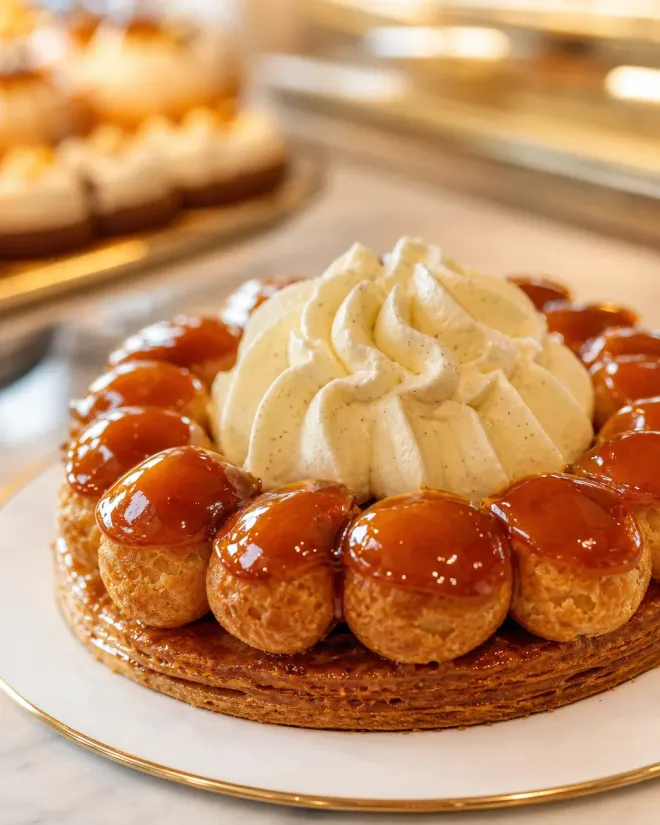 Dessert Hard difficulty
A caramel-glazed crown of choux and meringue-light cream, named after the patron saint of bakers. He is watching. Bring your thermometer and your schedule.
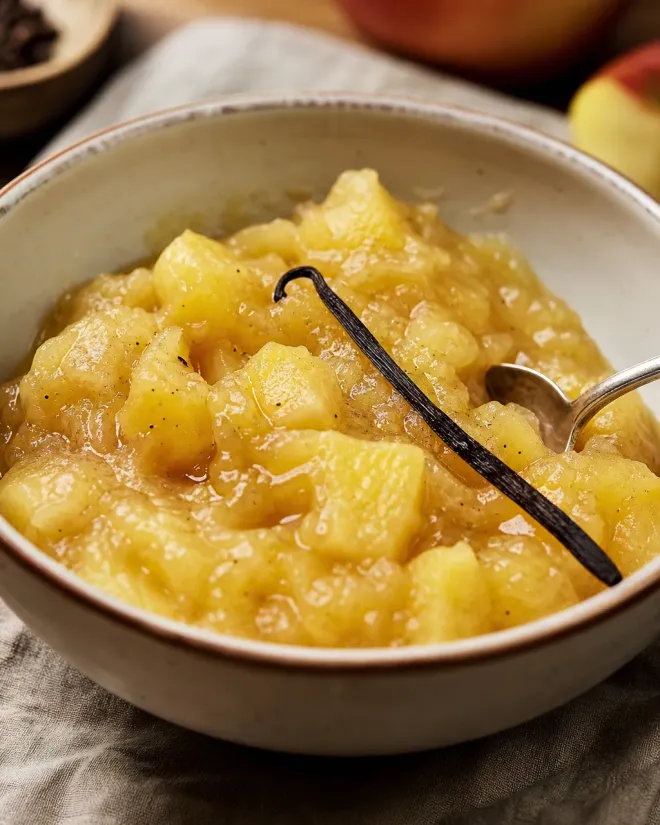 Dessert Easy difficulty
Apples melted down slowly in a film of water with a vanilla pod and, if the apples are right, absolutely no sugar — the goûter of a nation, ruined by industrial pots and rescued by two kilos of the wrong-looking apple.
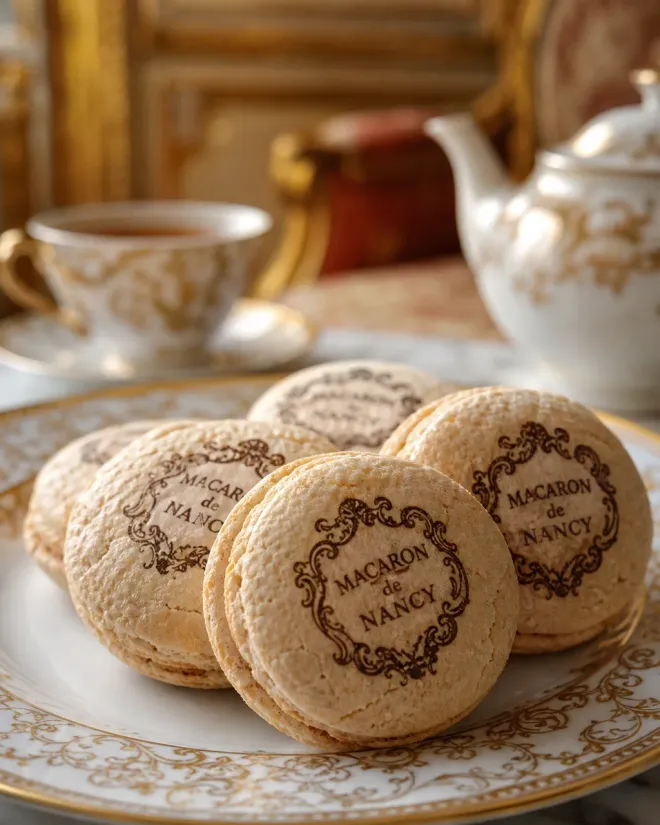 Dessert Hard difficulty
The original macaron: flat, rustic, no filling, no colors — just almonds, sugar, egg white and time. Two nuns, one recipe, a Revolution in the way.
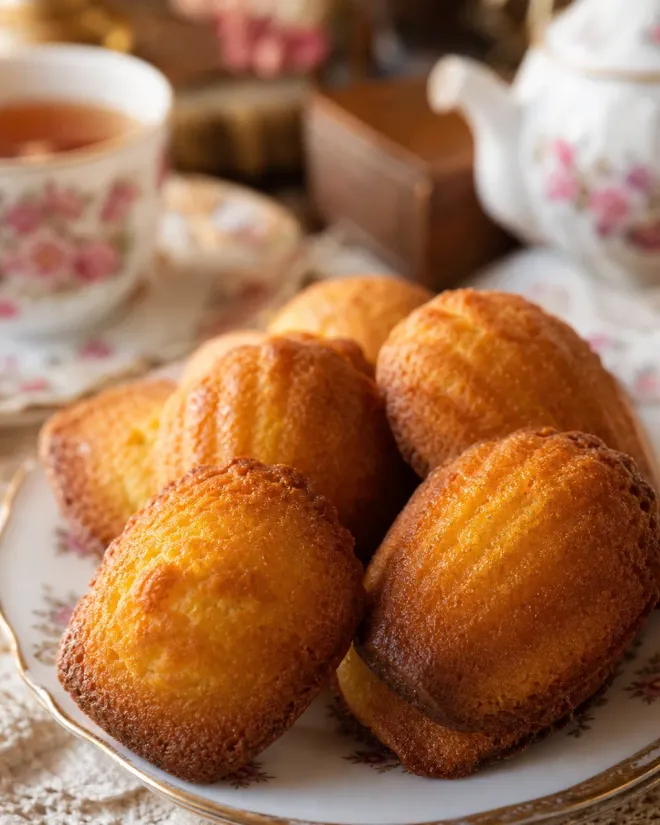 Dessert Easy difficulty
Proust wrote three thousand pages about a cookie. He was right. Brown butter, an overnight rest, and the famous bump explained once and for all.
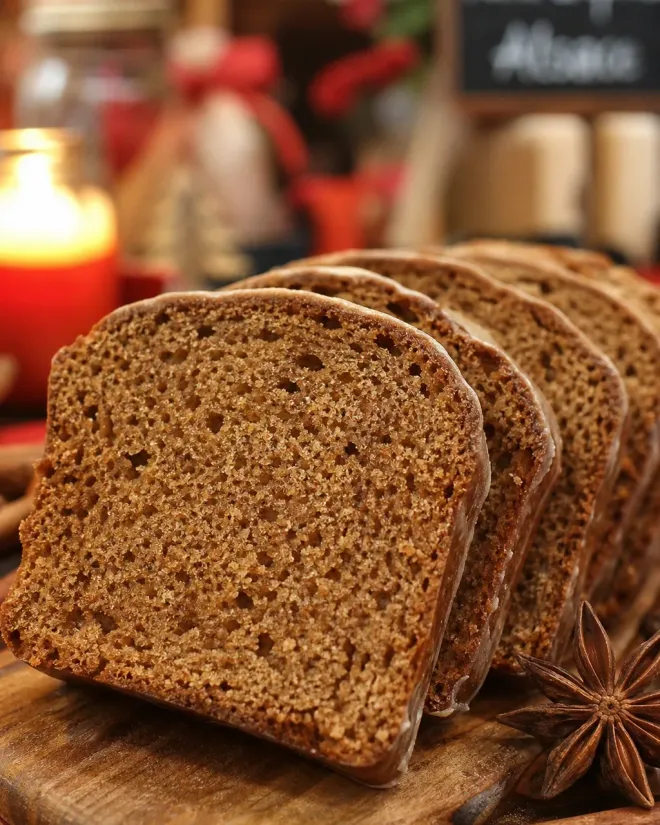 Dessert Easy difficulty
Spiced honey bread — old before gingerbread was cool, and still Alsace's answer to the question of what breakfast cake should be: better on day three.
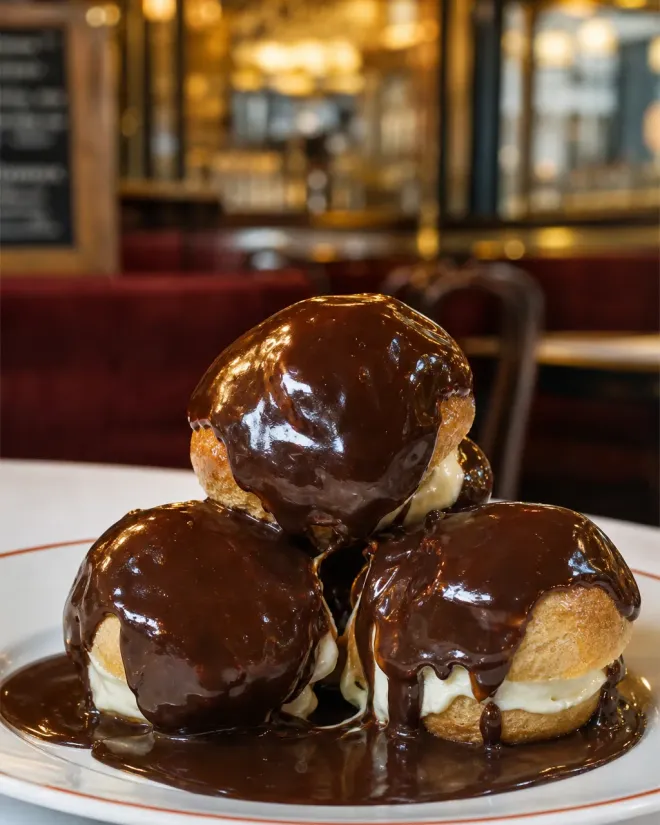 Dessert Hard difficulty
Cream puffs filled with vanilla ice cream and drowned in hot chocolate sauce, poured at the table. Order one for the table, or admit you won't share.
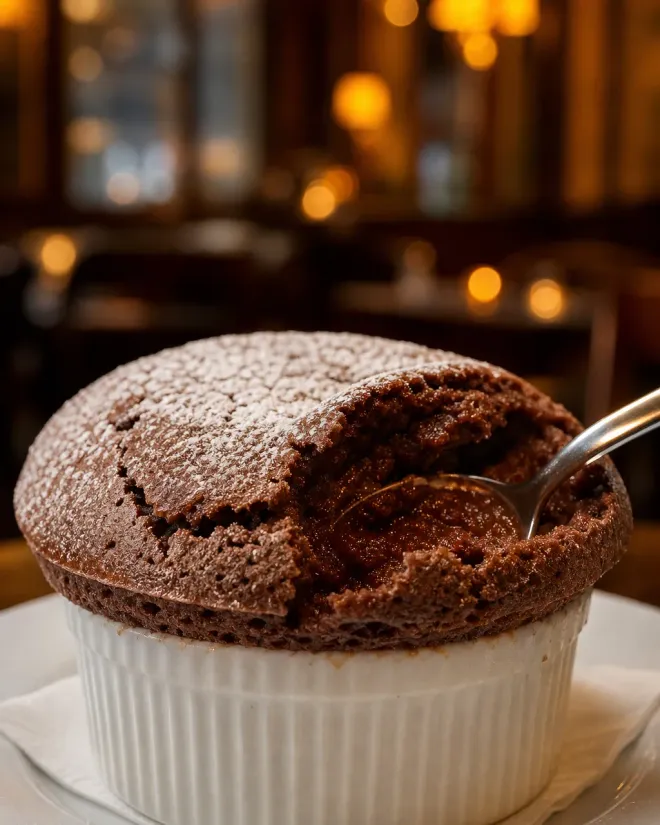 Dessert Hard difficulty
A ramekin of dark chocolate that climbs over the rim like it has somewhere to be, then deflates the moment you look away. Two minutes to eat it; this is not negotiable.
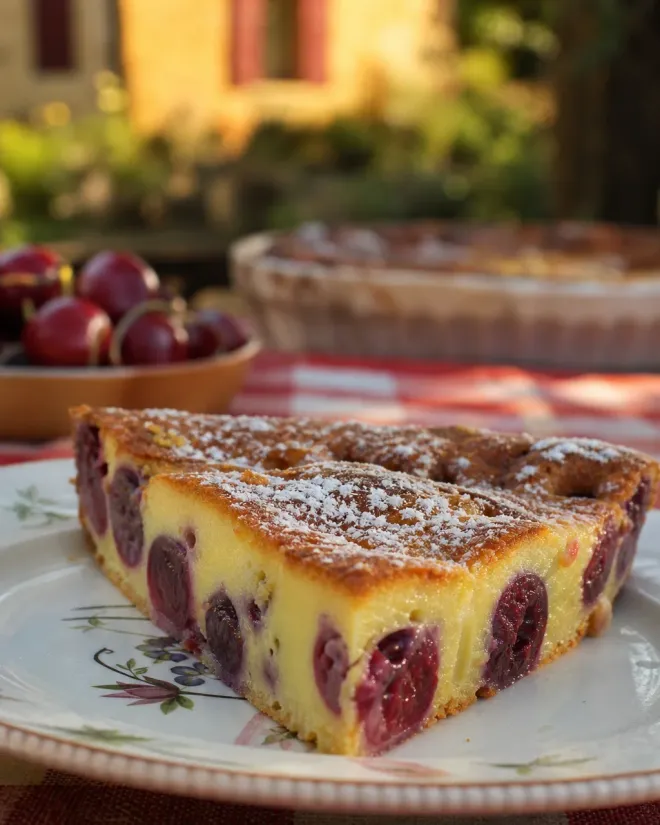 Dessert Easy difficulty
Custard, cherries, zero effort. The lazy dessert France refuses to apologize for — pits in, a wobble in the middle, and a proper collapse on cue.
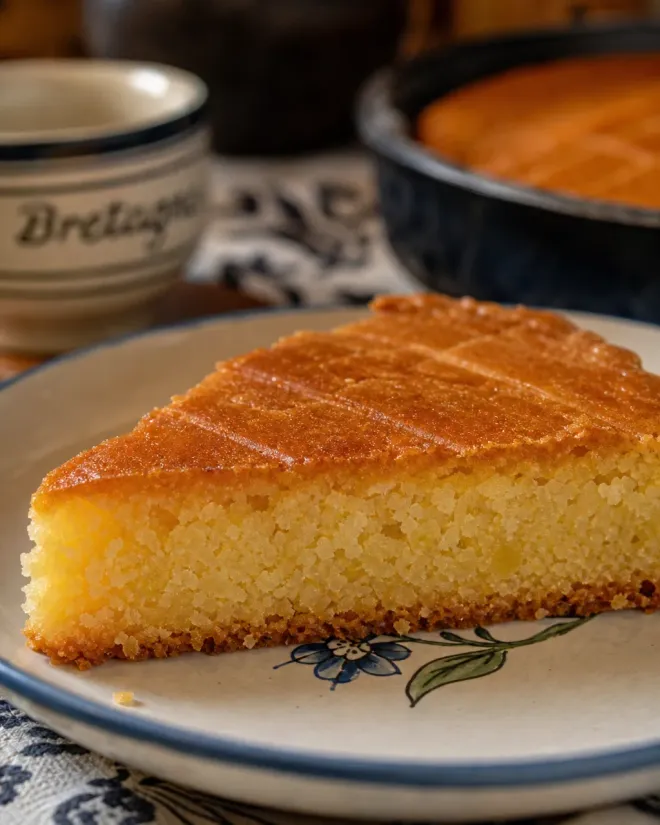 Dessert Easy difficulty
Half butter by weight. Brittany never once apologized, and this dense shortbread-cake hybrid is the proof — a cake you can eat with a spoon.
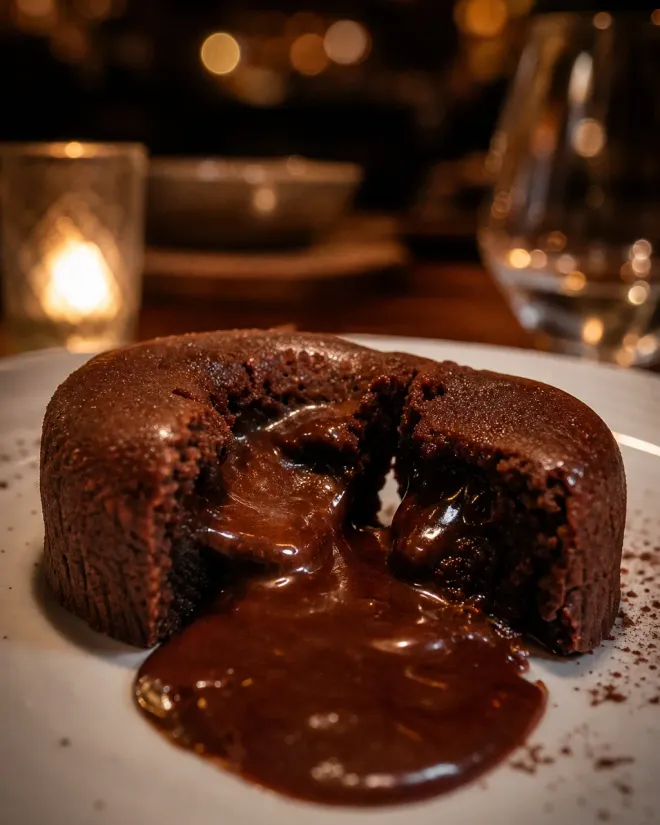 Dessert Medium difficulty
A chocolate cake engineered so the middle never actually bakes — Michel Bras froze the center on purpose in 1981, and dessert has been molten ever since.
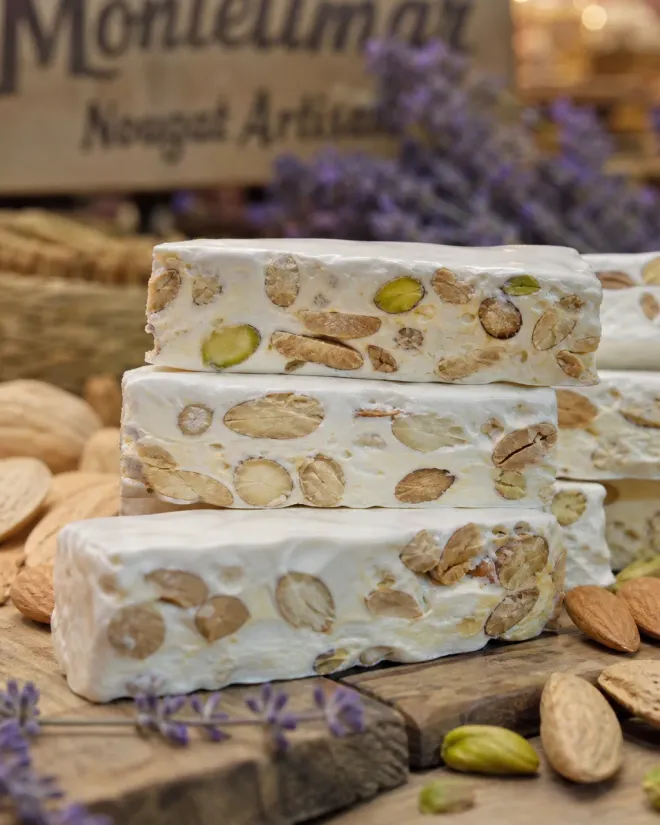 Dessert Hard difficulty
Honey, almonds, egg white and a sugar thermometer that punishes nerves. Montélimar's nougat, made the hard way — the only way it actually works.
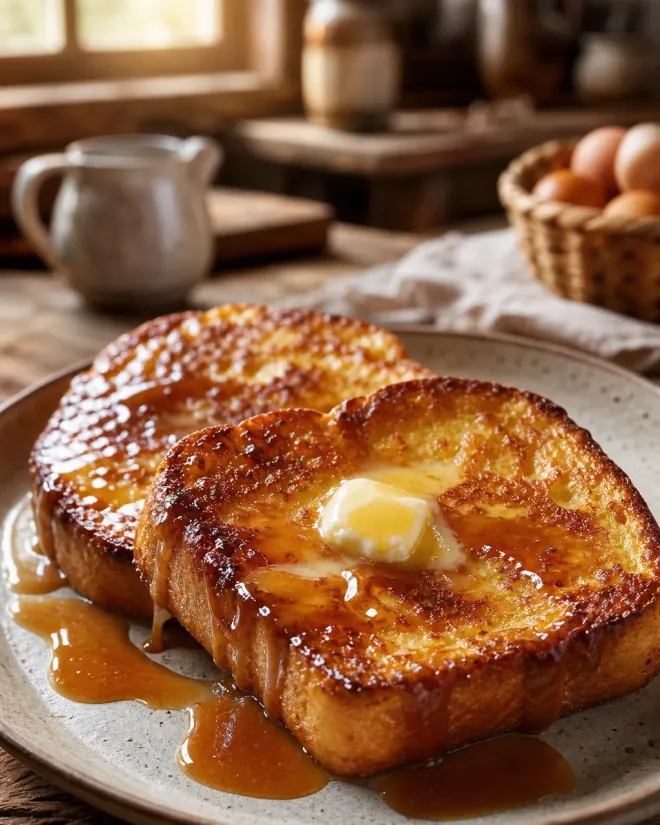 Dessert Easy difficulty
Yesterday's brioche, reborn in custard and butter, with a mahogany crust and zero pretension. The best dessert in France is also the cheapest one on this site.
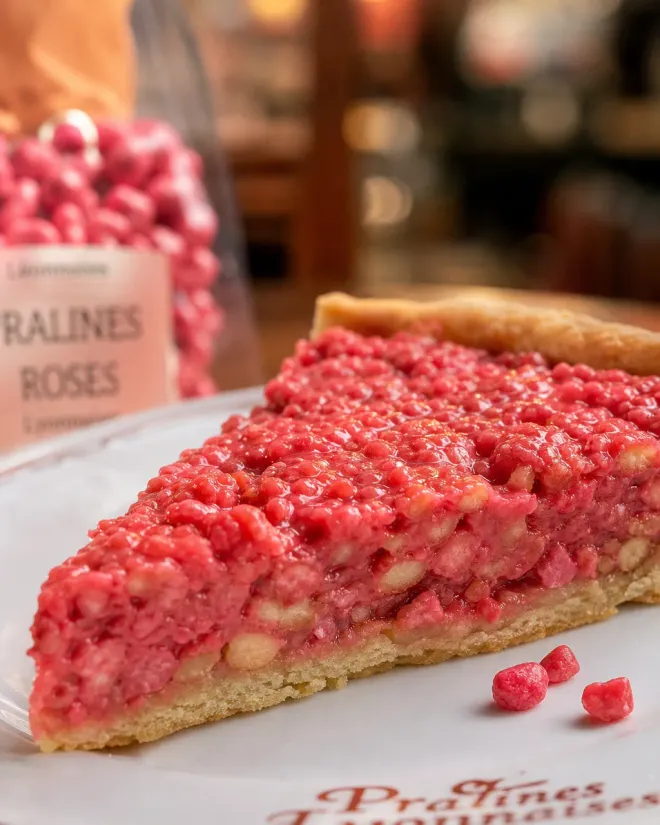 Dessert Medium difficulty
Almonds cooked in hard pink sugar, crushed over cream, baked until the candy melts. Lyon's dessert is pink from the inside out — and proud.
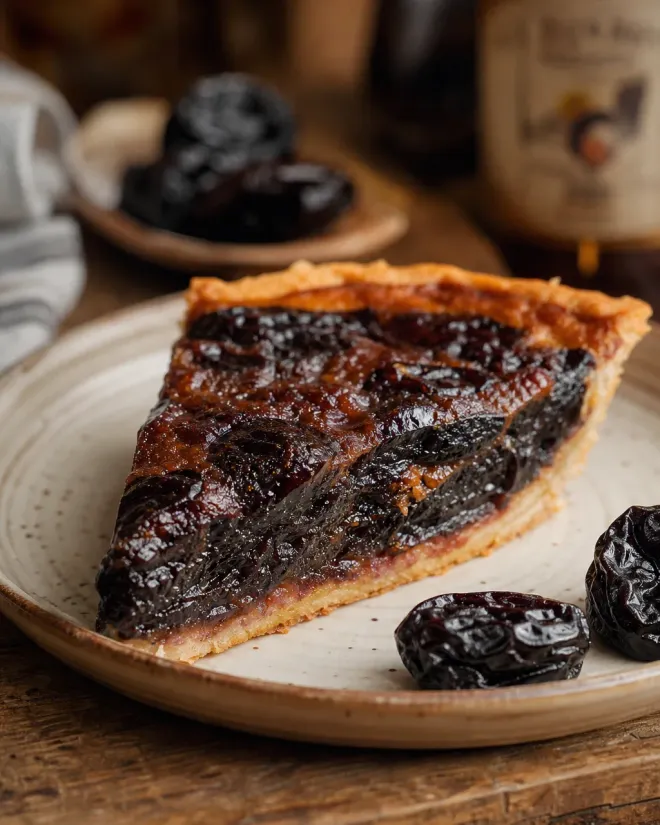 Dessert Medium difficulty
Agen prunes baked in vanilla custard on a buttery shell — quiet, dark and dependable, the South-West's star dessert, which never needs to shout.
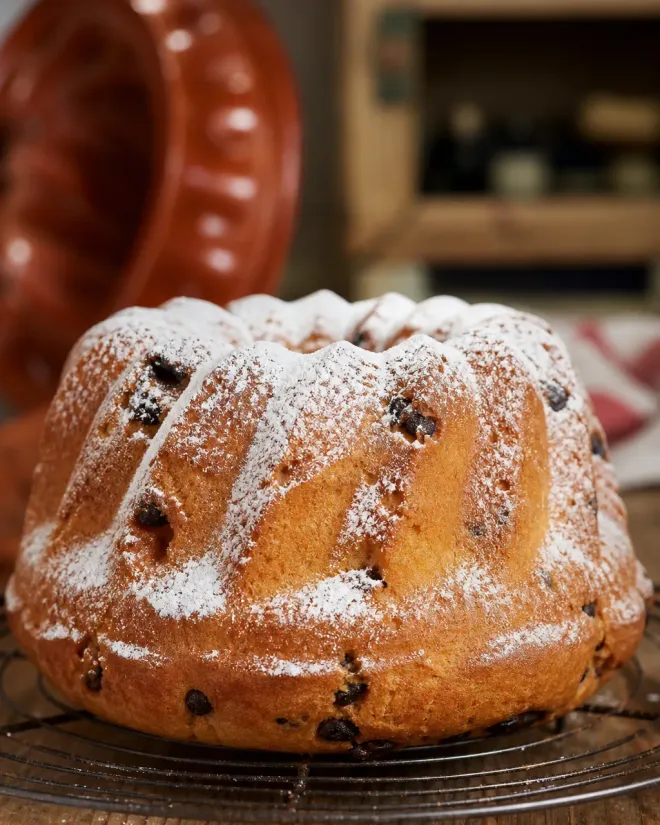 Dessert Medium difficulty
Brioche dough studded with rum-soaked raisins, baked in a fluted ceramic crown. Alsace's Sunday cake wears its shape like a family crest.
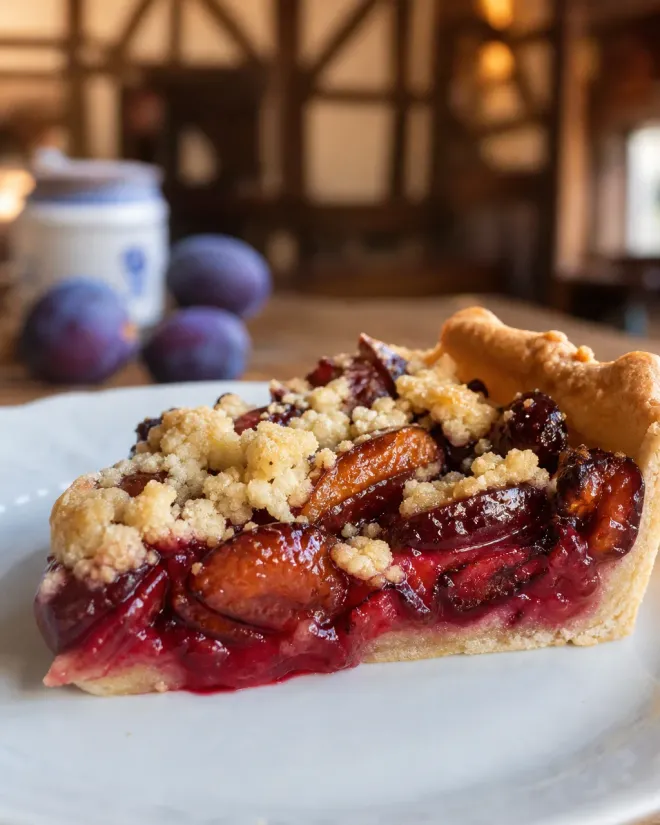 Dessert Medium difficulty
Alsatian damson plum tart — brisée dough, September fruit packed shoulder to shoulder, sugar and heat. The quetsche's whole season in one dish.
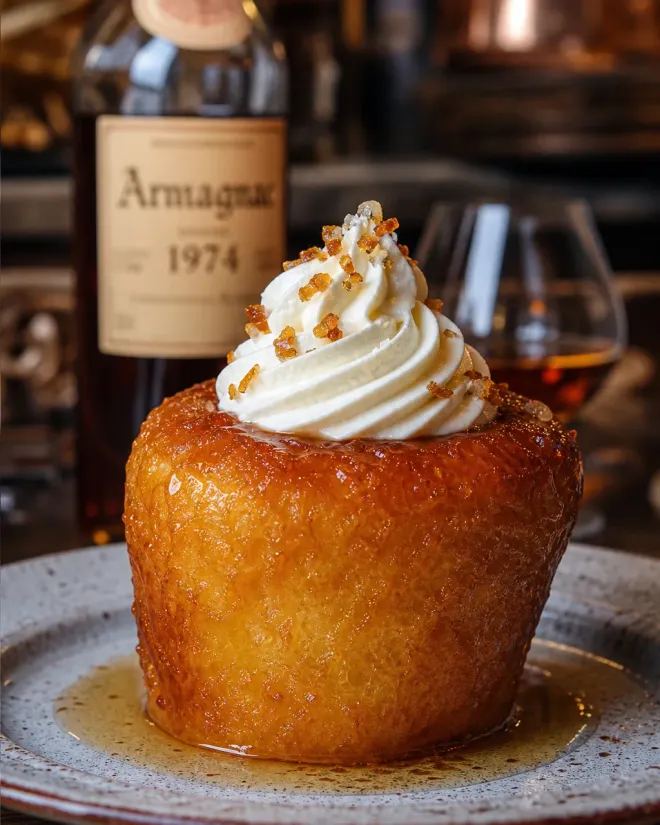 Dessert Hard difficulty
A yeast sponge baked firm, drowned warm in an Armagnac syrup until it weighs as much as a pudding. Sobriety not included; it improves overnight.
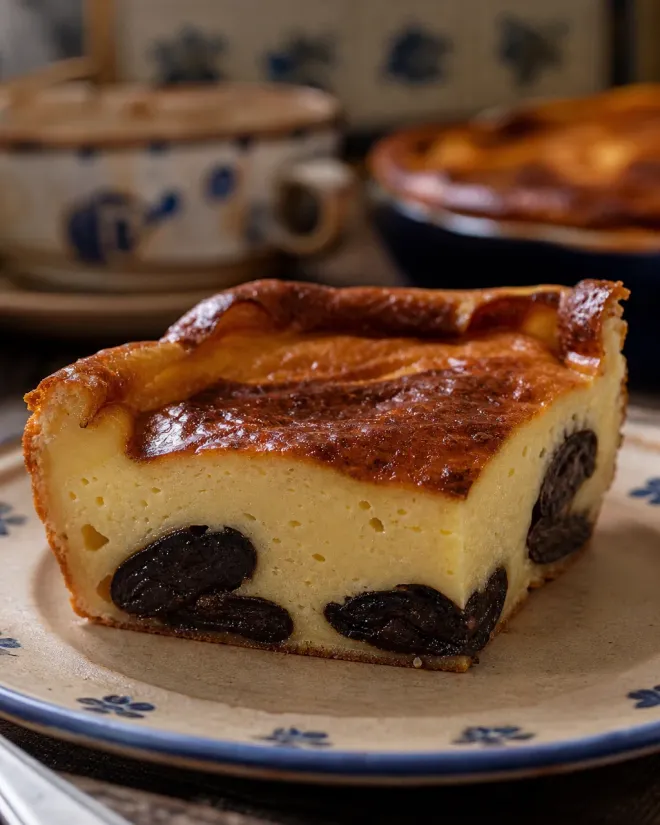 Dessert Easy difficulty
A dense flan with prunes. Brittany's sailing provisions, now dessert — thick batter, dark edges, and the rum question answered honestly.
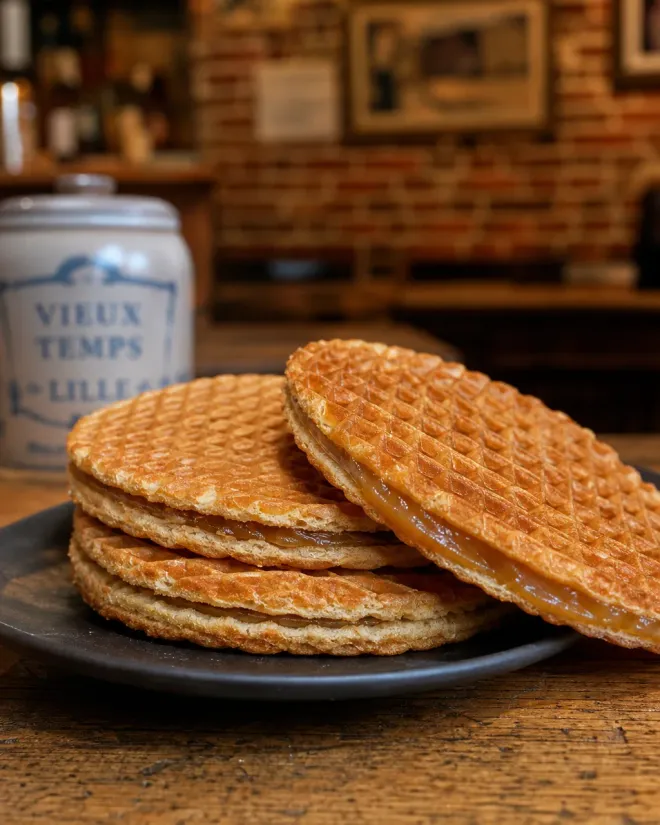 Dessert Medium difficulty
Two thin waffle rounds sealed around vanilla butter, sold warm near the gates since 1761. The guilt is included in the price, and nobody complains.
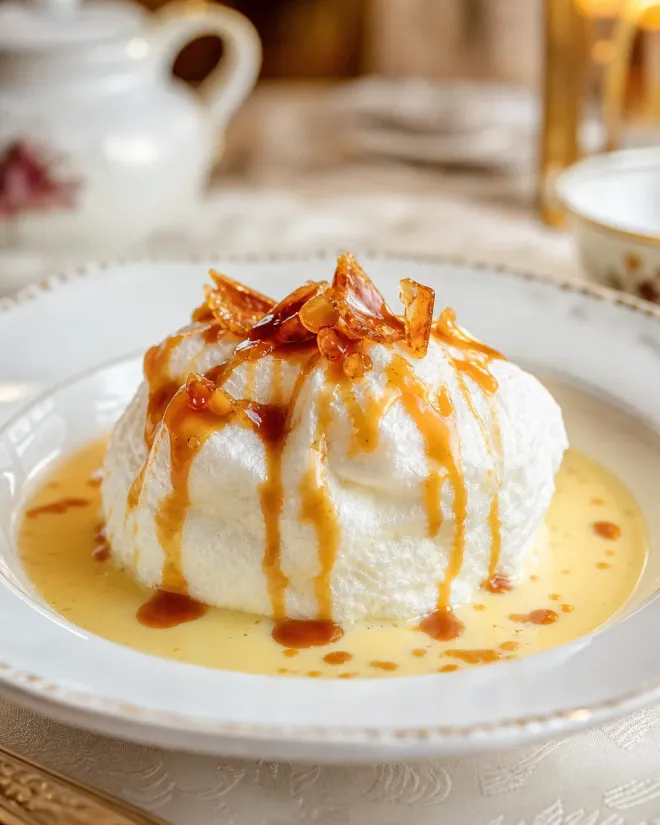 Dessert Medium difficulty
A cloud of poached meringue adrift on vanilla custard, under a lace of caramel. The island always floats — the name is the only thing that lies.
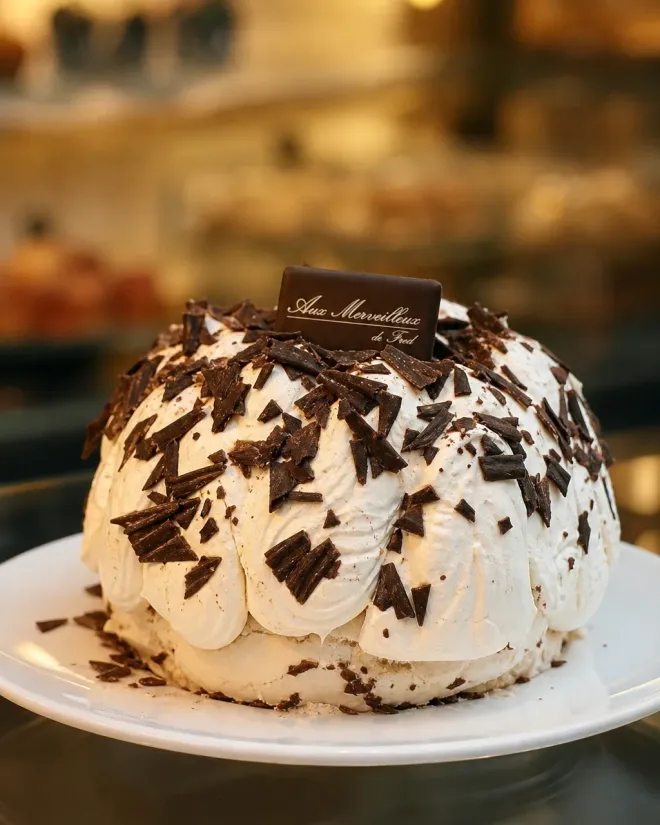 Dessert Medium difficulty
Meringue, whipped cream, chocolate shavings — stacked with total intent. The Merveilleux from Lille is not polite; it was never trying to be.
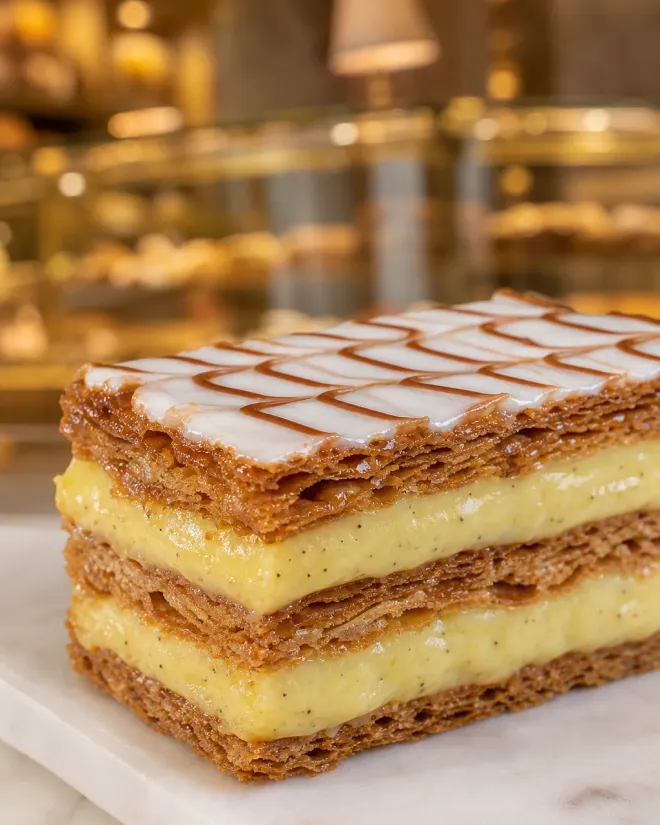 Dessert Hard difficulty
Three caramelized layers of puff pastry argue with two of cold vanilla cream, and you have about three hours to referee. Bring a very sharp knife and no sense of dignity.
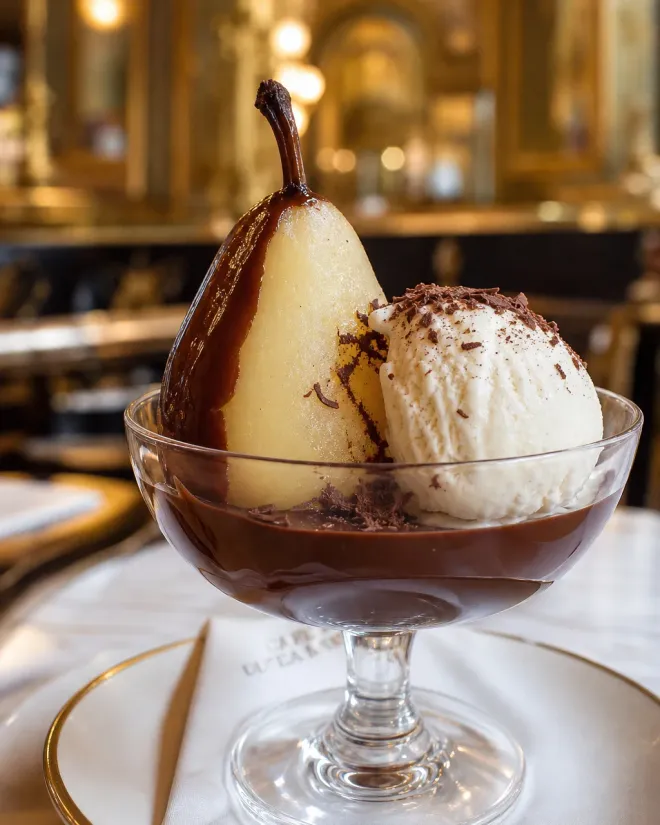 Dessert Easy difficulty
Poached pear, hot chocolate, cold ice cream. Opéra bouffe, dessert edition — an 1860s Offenbach hit that has never left the bistro dessert list.
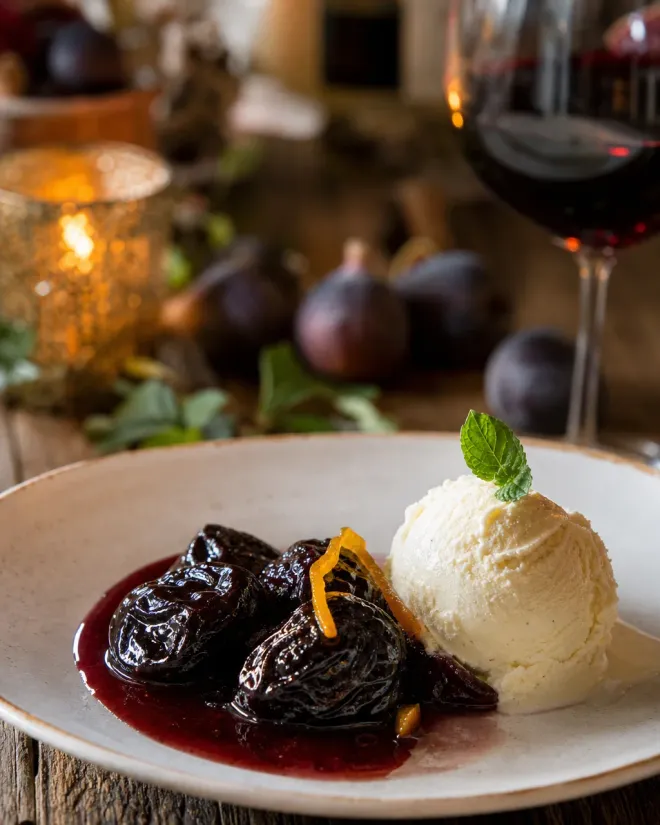 Dessert Medium difficulty
Prunes stewed in red wine with cinnamon and orange peel, then left overnight to marry. The dessert your doctor approves of — within reason.
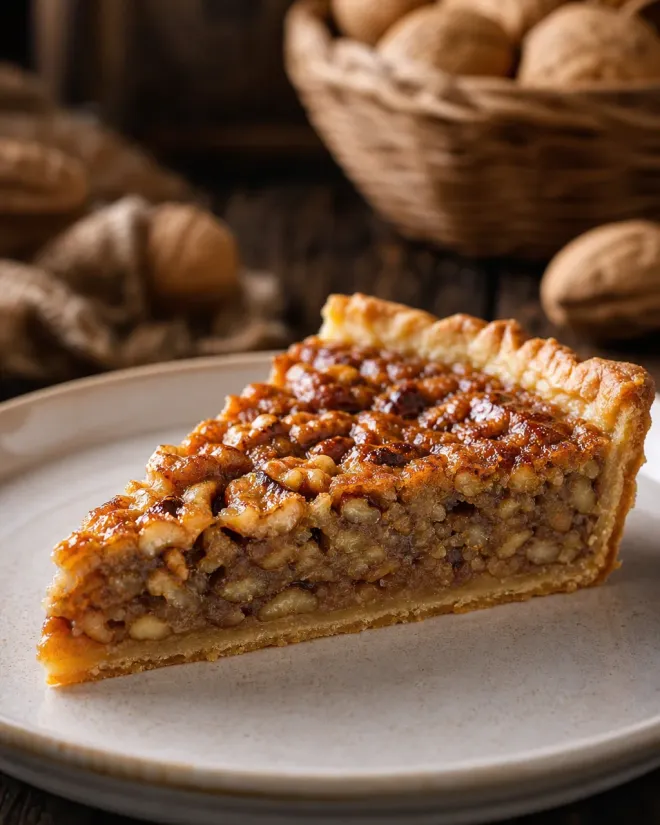 Dessert Medium difficulty
Walnut country puts its nuts in a tart — toasted, in a frangipane of their own flour, under a warm honey glaze. The Périgord, in one slice.
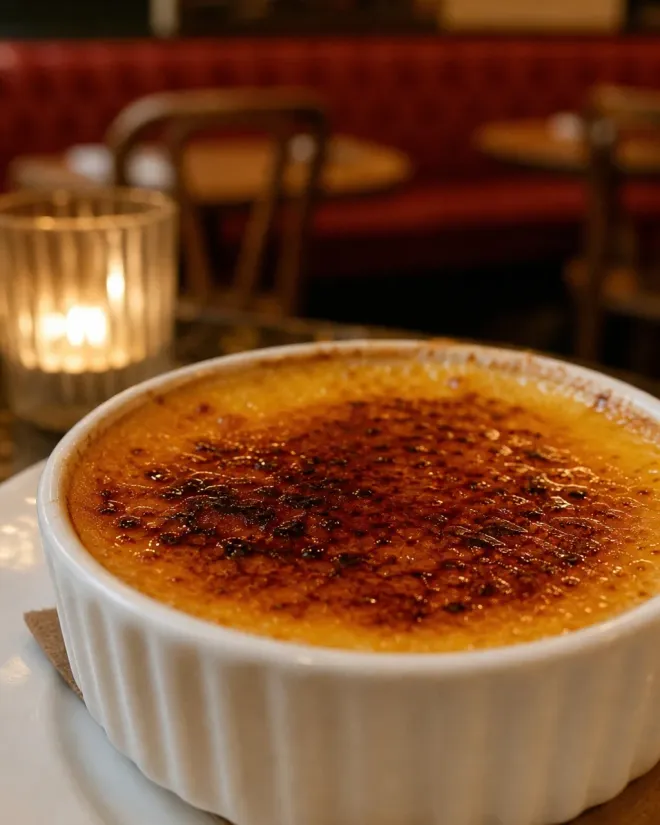 Dessert Easy difficulty
One crack of the spoon and everyone shuts up. The custard underneath, the sugar lid on top, and the torch timing that separates brûlée from soup.
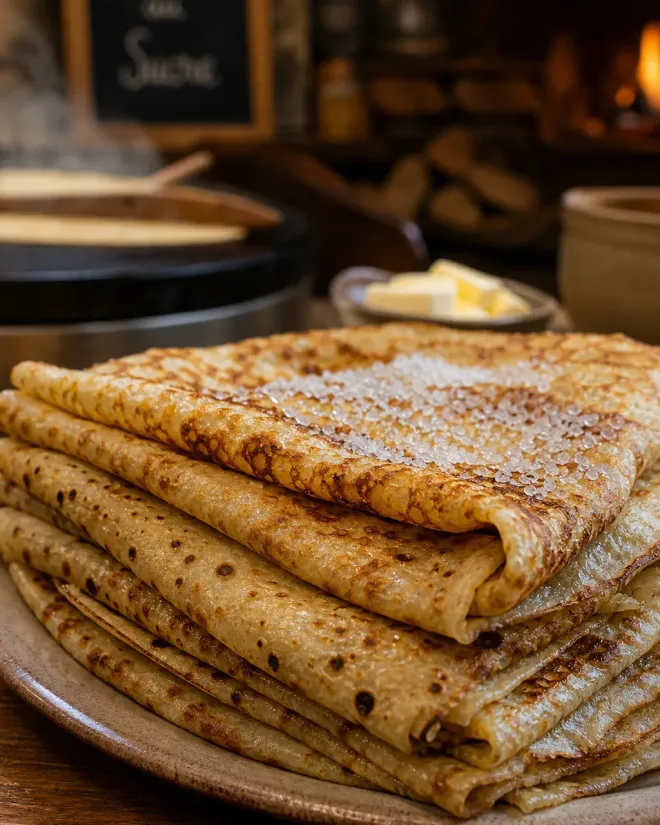 Dessert Easy difficulty
Thin, folded, culturally mandatory. La Chandeleur explained, a batter that rests, and the first crêpe you are allowed to ruin — plus the coin trick.
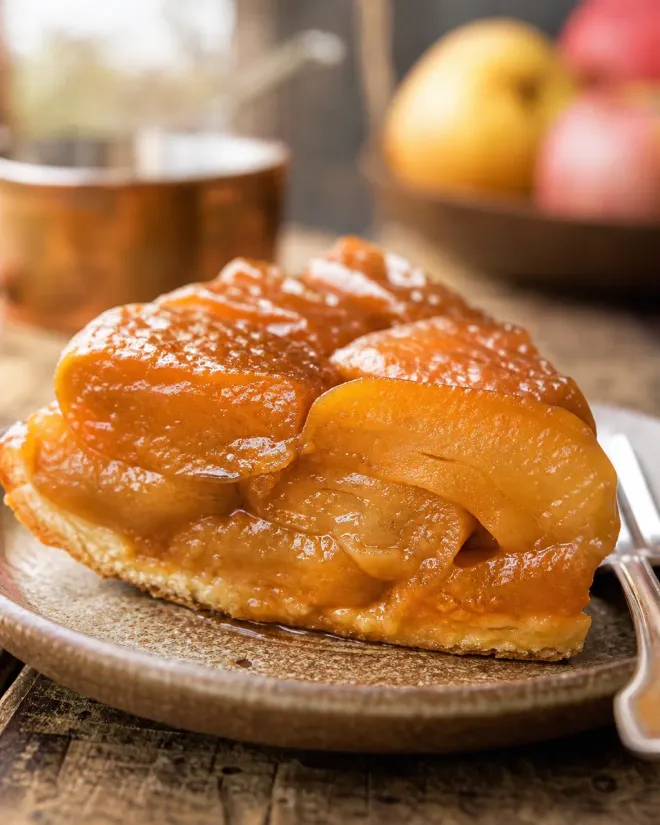 Dessert Medium difficulty
Two sisters dropped a tart. France made it a monument. The real technique: caramel built in the pan itself, the 15-minute rest, and one fearless flip.
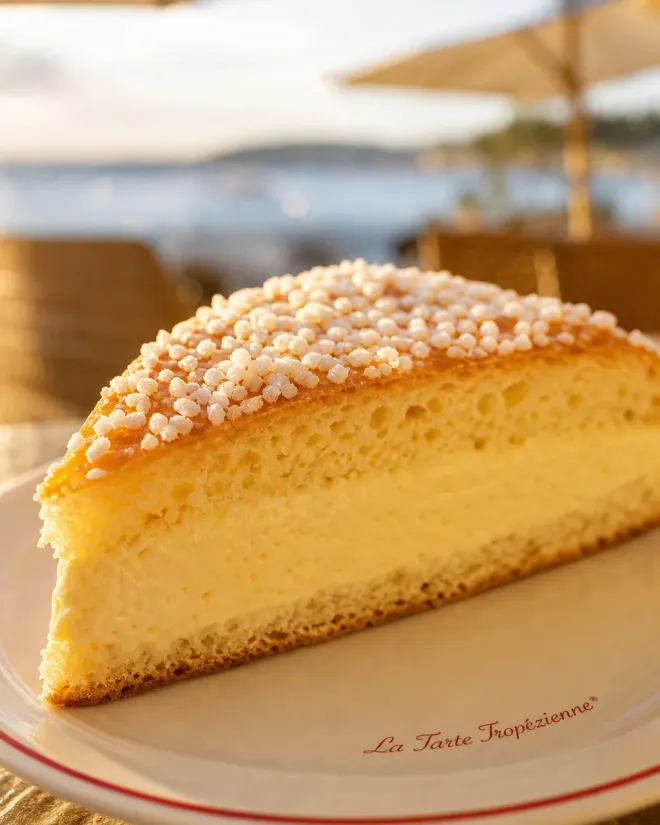 Dessert Hard difficulty
A brioche as tall as it is proud, split and filled with orange-blossom cream that used to be a secret. Named on a film set by Bardot herself, 1956.
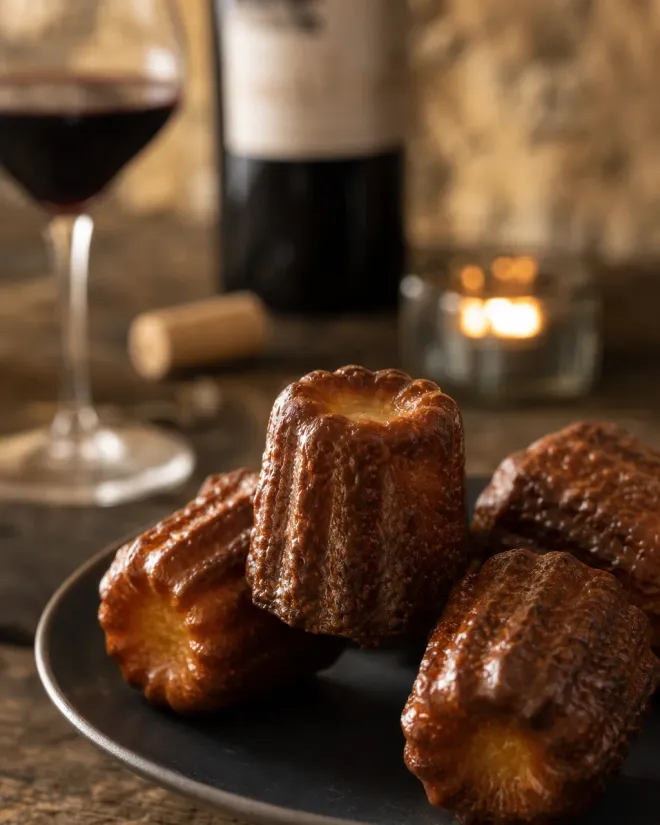 Dessert Hard difficulty
Rum, vanilla, a wrong-looking crust. Bakeries guard the copper molds like family silver — here's the honest 48-hour version, priced in patience.
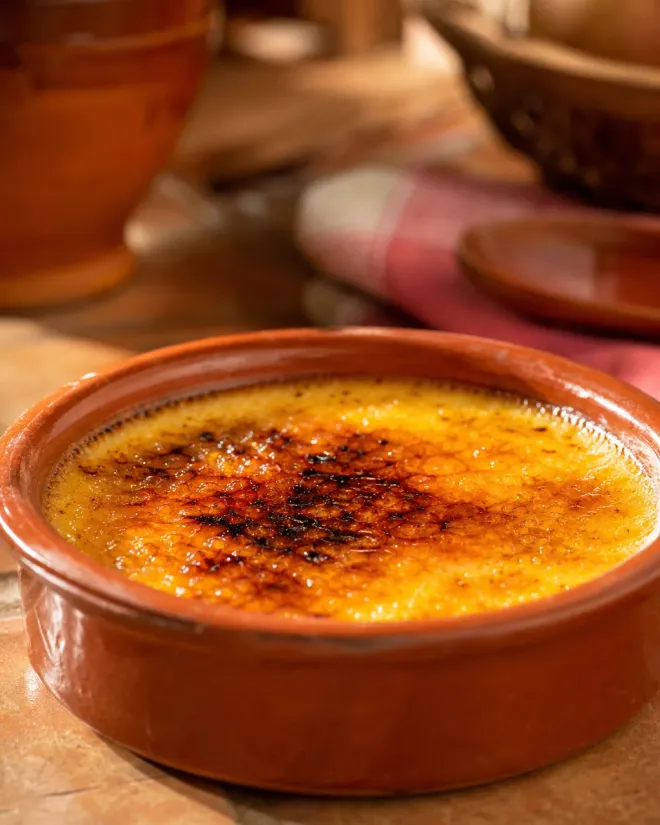 Dessert Medium difficulty
Crème brûlée's older southern cousin, thickened with starch and scorched with an iron — cinnamon and lemon keeping score where vanilla bows out.
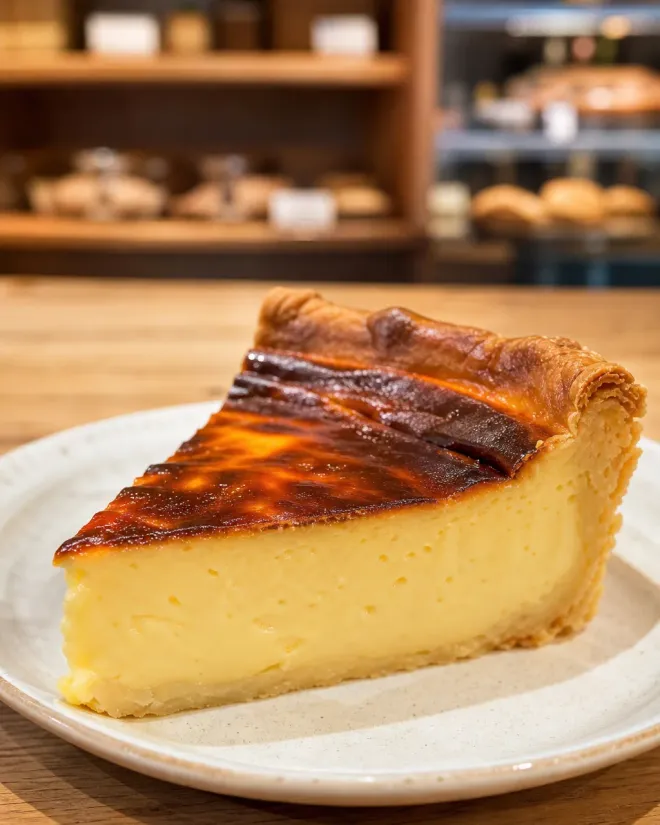 Dessert Easy difficulty
The bakery counter's bestseller: custard tart with a burnished top. Blind-baked shell, cornstarch custard, and the chill that sets the slice.
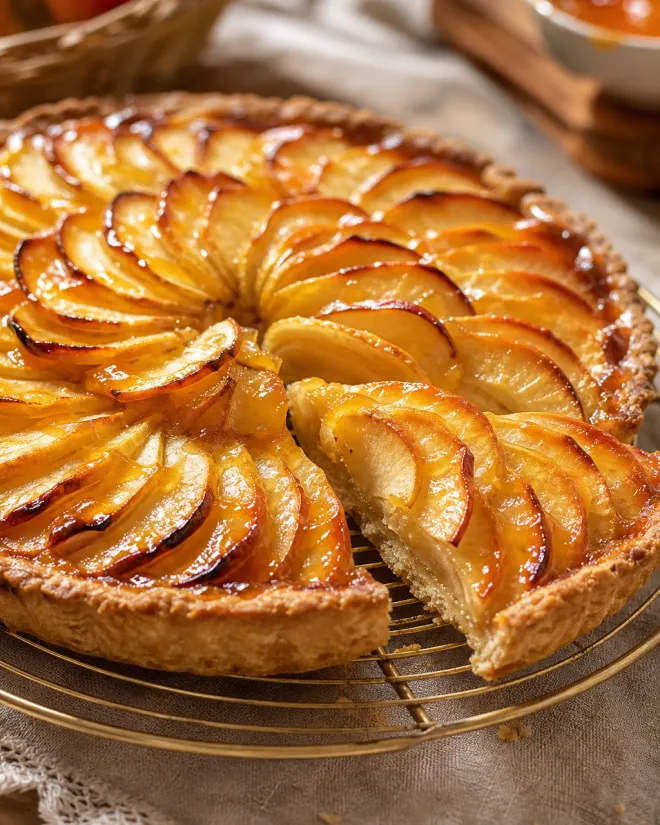 Dessert Easy difficulty
Pâte brisée, apple blades packed in tight spirals, sugar, and a warm apricot glaze that makes the whole thing shine like a pâtisserie window — the grandmother tart that contains no cream and no egg, and is not apologizing to Normandy about it.
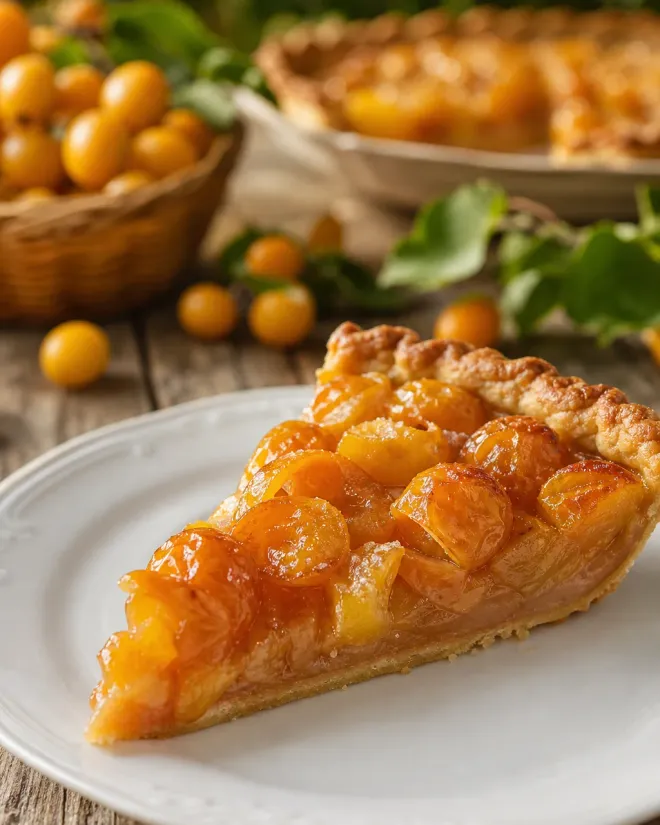 Dessert Medium difficulty
The golden plum that only exists in Lorraine, briefly and gloriously, baked in neat circles on a buttery shell. Six weeks a year, no exceptions.
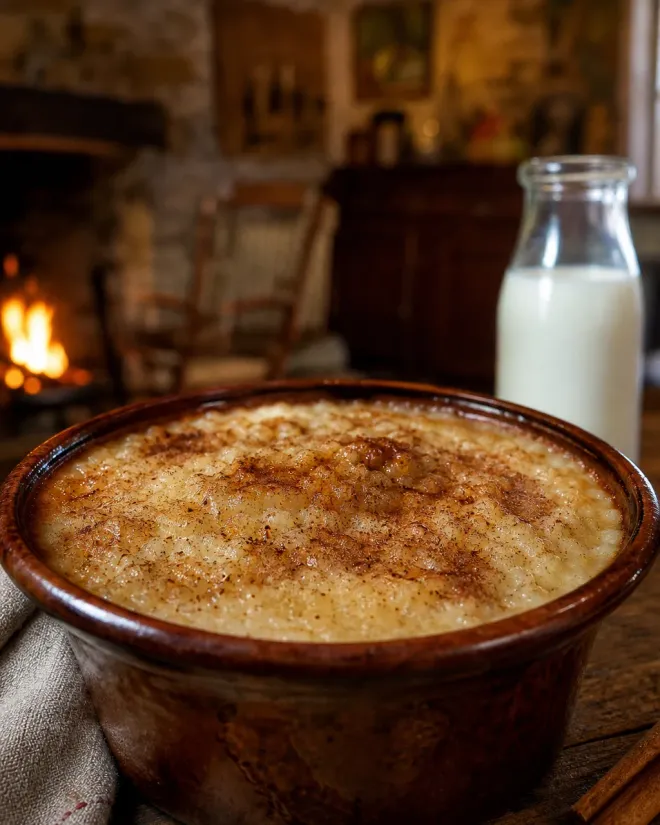 Dessert Medium difficulty
Rice pudding, five hours at low heat, one cinnamon stick and zero shortcuts. Normandy's patience test, paid off in a crinkled caramel crust.
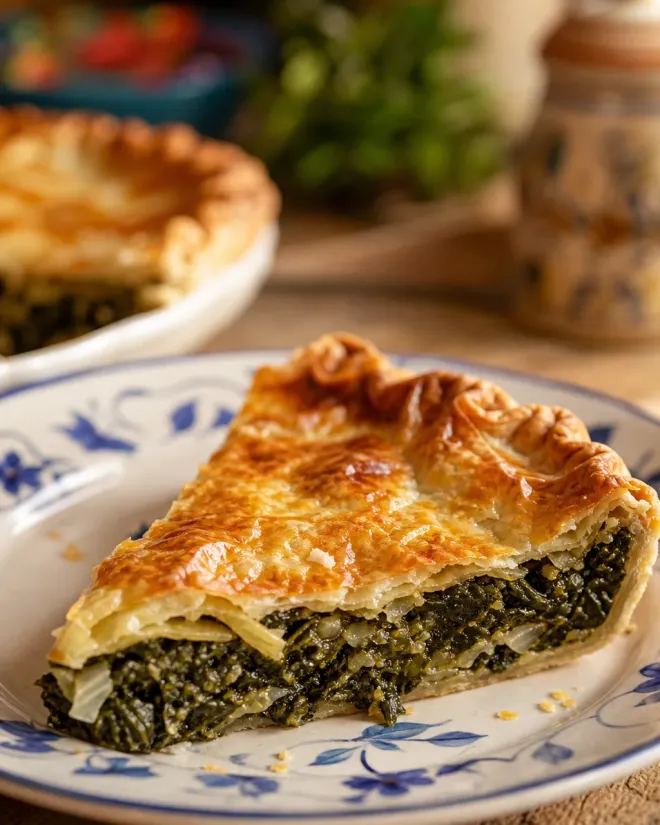 Dessert Hard difficulty
Swiss chard, raisins, pine nuts and — yes — parmesan, under a sugar lid. Nice's sweet-salt tart that plays by its own rules — as Nice always has.
The foundations behind the french dessert recipes — techniques every recipe above quietly depends on. All the foundations →
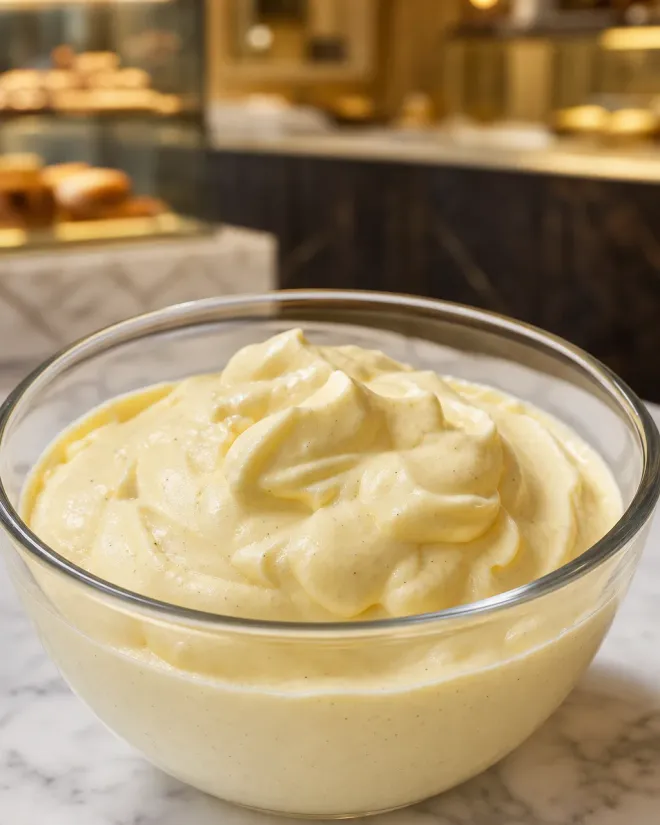 Dessert Hard difficulty
Crème pâtissière married to Italian meringue while both are still warm — a cream with a one-hour lifespan and a 180-year reputation. The most beautiful deadline in French pastry.
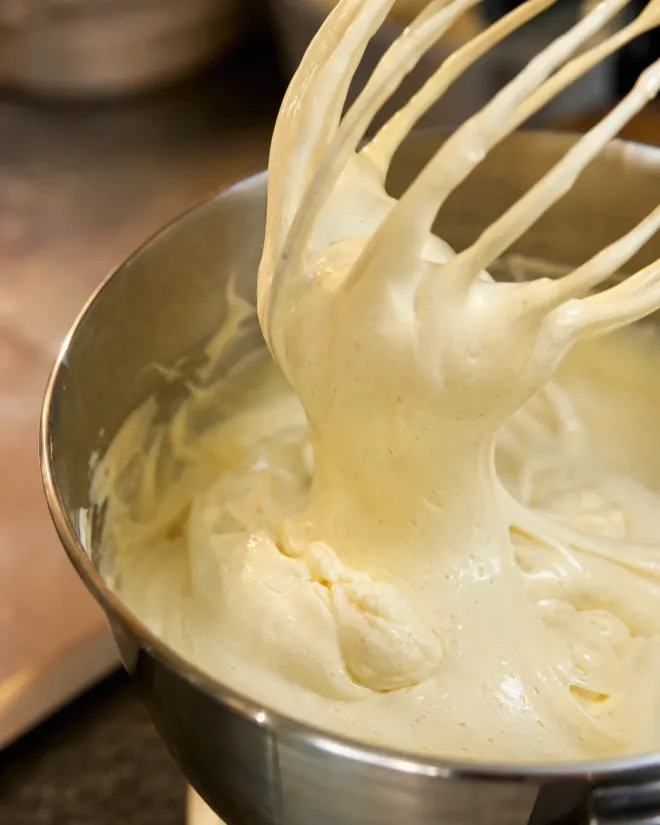 Dessert Medium difficulty
Sugar syrup at 121 °C poured onto whipping yolks — the yolk's answer to Italian meringue. Richer, denser, pasteurized by the syrup, and hiding inside France's best buttercreams.
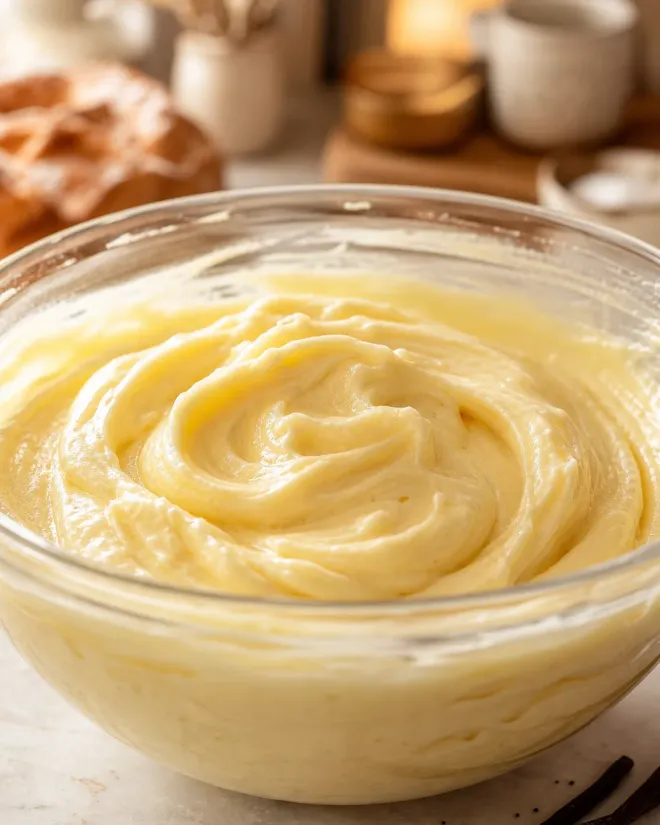 Dessert Easy difficulty
The starch-thickened custard that hides inside forty French pastries and quietly holds them together. Boiled on purpose, chilled on contact, and far more determined than crème anglaise.
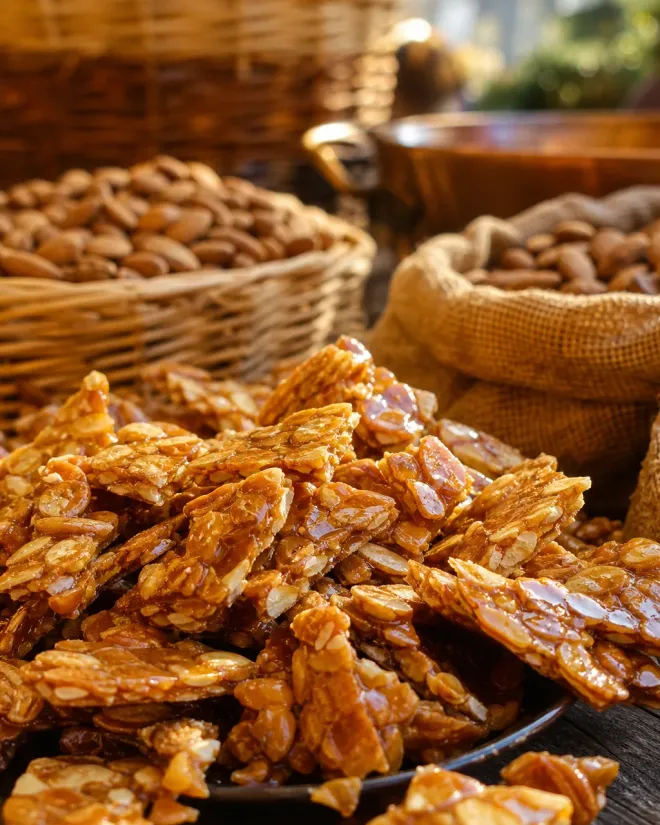 Dessert Hard difficulty
Caramel and almonds poured into a sheet, cut while warm, shaped over molds in a window of minutes. The pastry kitchen's stained glass — edible, brittle, and permanently on deadline.
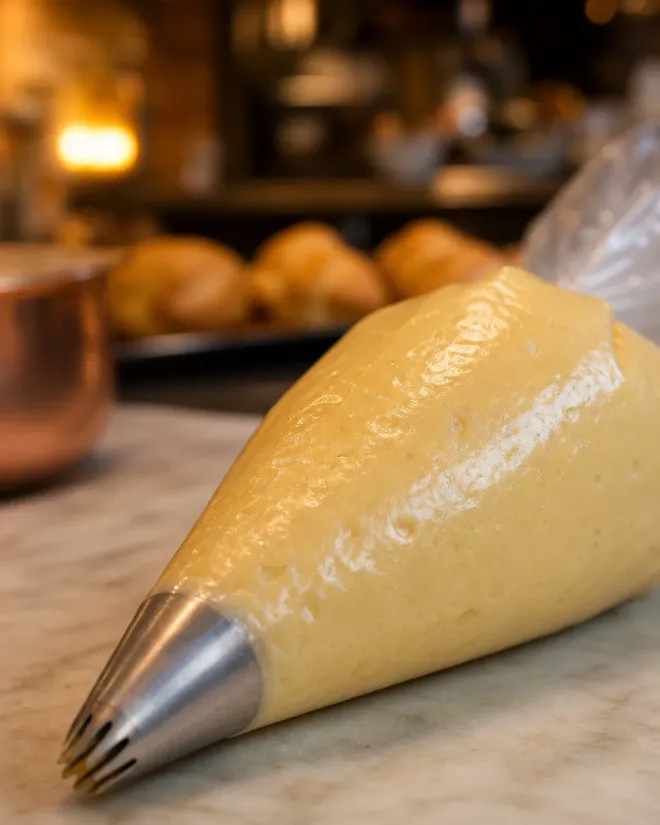 Dessert Medium difficulty
The only dough in France that gets cooked before it's baked — and rises anyway. Boiled into a paste, beaten full of eggs, and inflated by its own steam into éclairs, Paris-Brest and profiteroles.
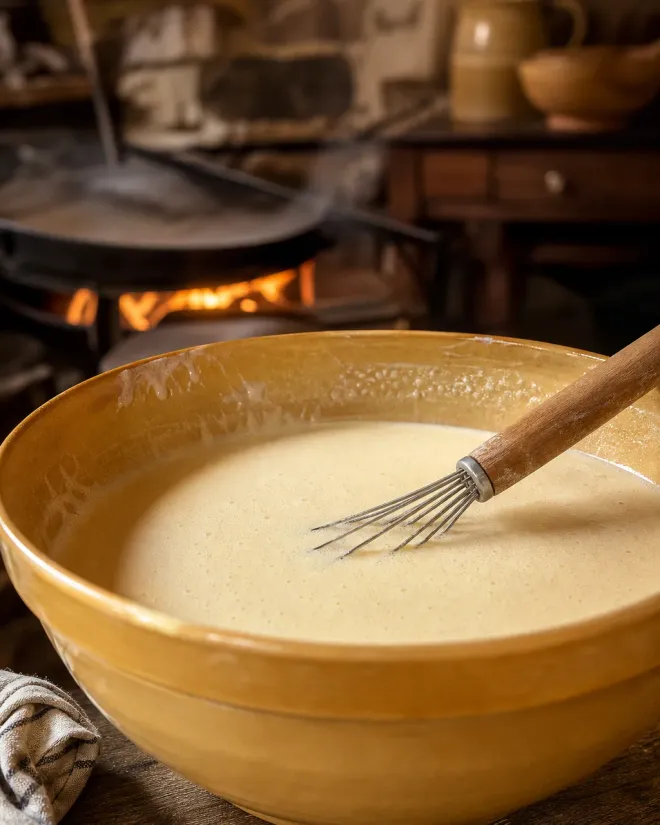 Dessert Easy difficulty
Flour, eggs, milk, and an hour of patience — the thinnest batter in the French kitchen, judged by its lace and worshipped on the Chandeleur.
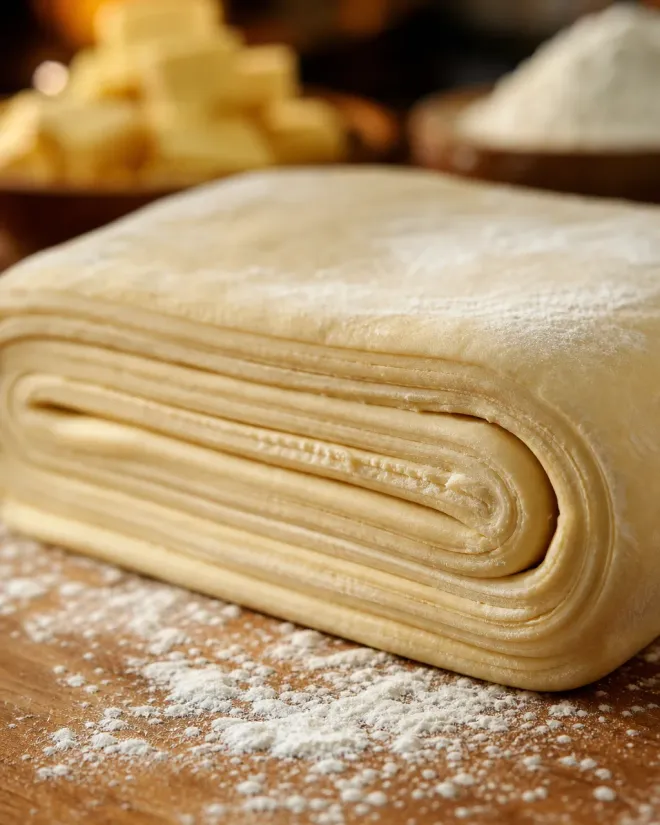 Dessert Hard difficulty
A dough brick wrapped around dry butter, folded into hundreds of paper-thin layers that turn to steam in the oven and lift. Cold hands, six turns, and no shortcuts that survive the bake.
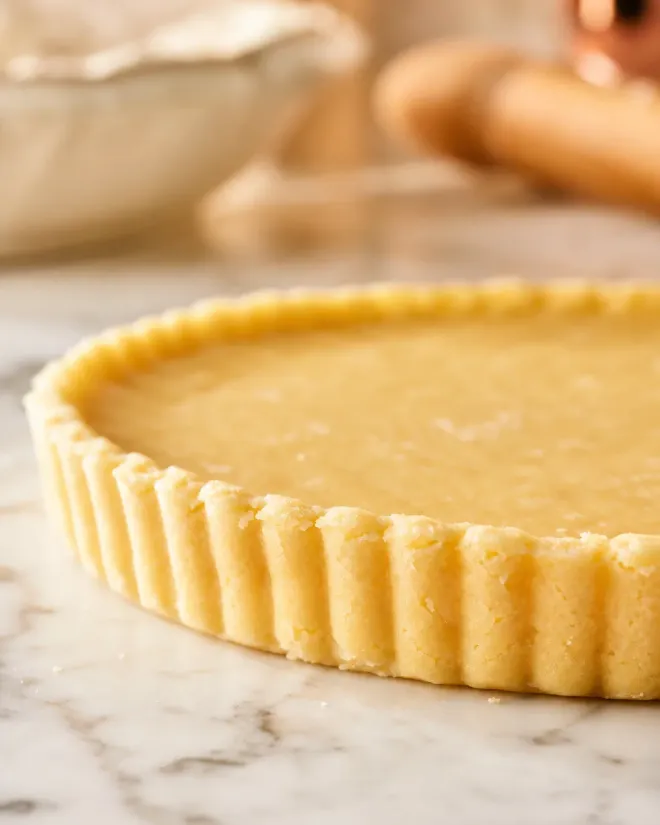 Dessert Easy difficulty
The sweet, sandy dough that behaves like shortbread and holds a lemon tart together. No gluten drama, no flake — just butter and sugar negotiating a crisp that survives wet fillings.
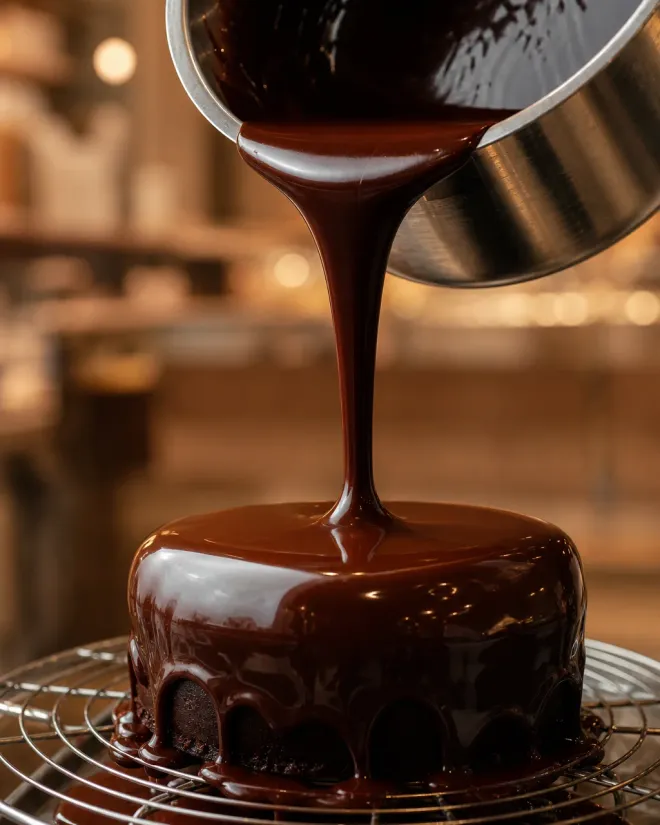 Dessert Hard difficulty
A gelatin glaze poured at exactly 30–35 °C onto a frozen entremets — the mirror finish that made modern pastry look like glassware. All shine, and none of it is luck.
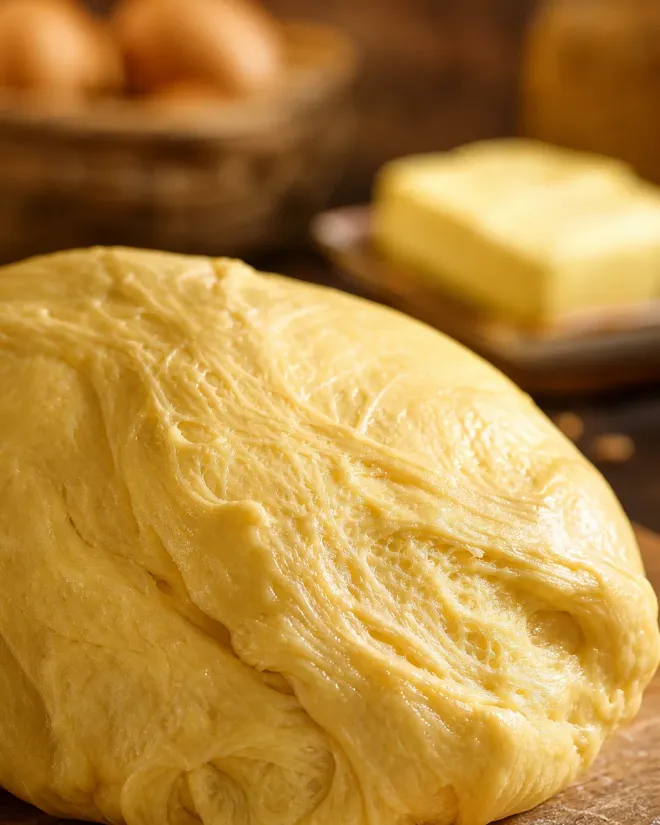 Dessert Medium difficulty
Half bread, half butter, no apologies — a yeasted dough so enriched it has to be kneaded into submission and chilled overnight just to behave.
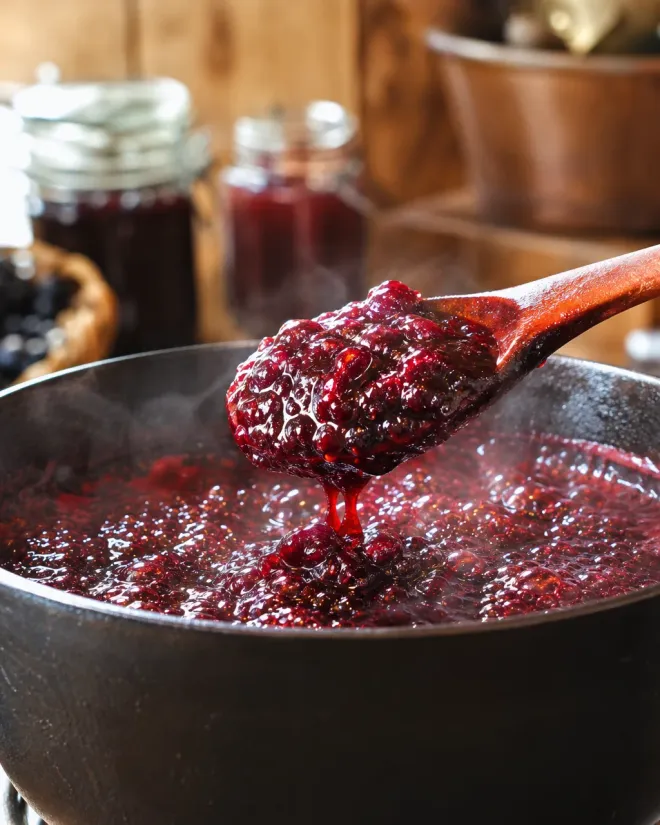 Dessert Easy difficulty
Fruit, sugar and a rolling boil: the preservation France turned into a national breakfast institution. One thermometer, one cold plate, and the difference between jam and syrup.
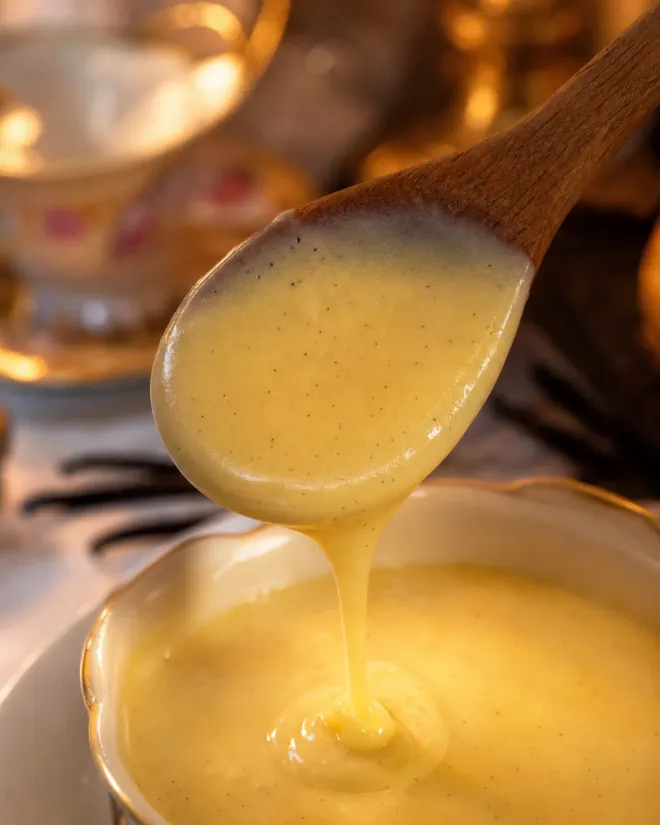 Dessert Easy difficulty
The stirred custard that must never boil — a liquid silk that lives in the three degrees between creamy and scrambled. The mother sauce of every French dessert table.
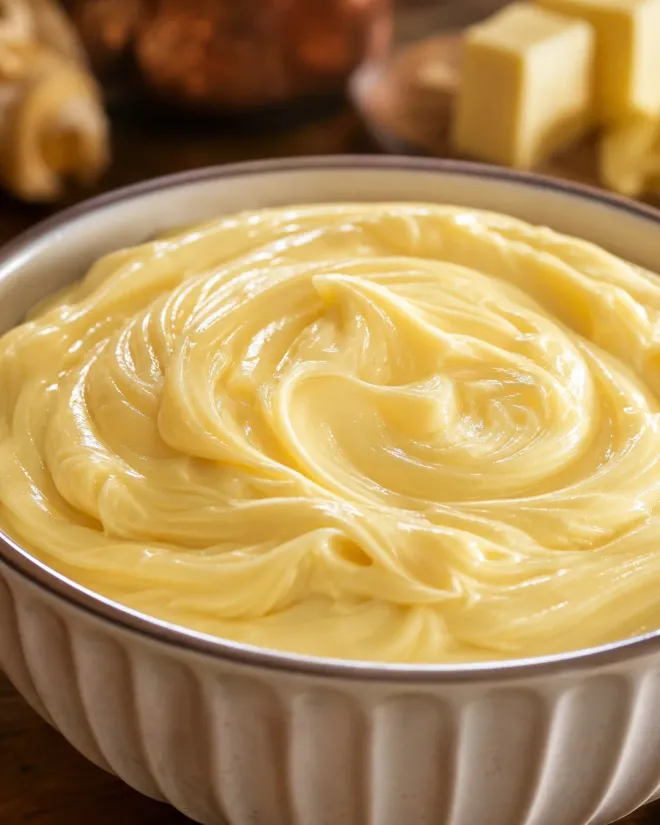 Dessert Medium difficulty
The cream that is half butter and all discipline — syrup cooked to a thread, whipped into yolks, then emulsified one degree at a time. Badly made it is a greasy paste; well made it melts before you can apologize to it.
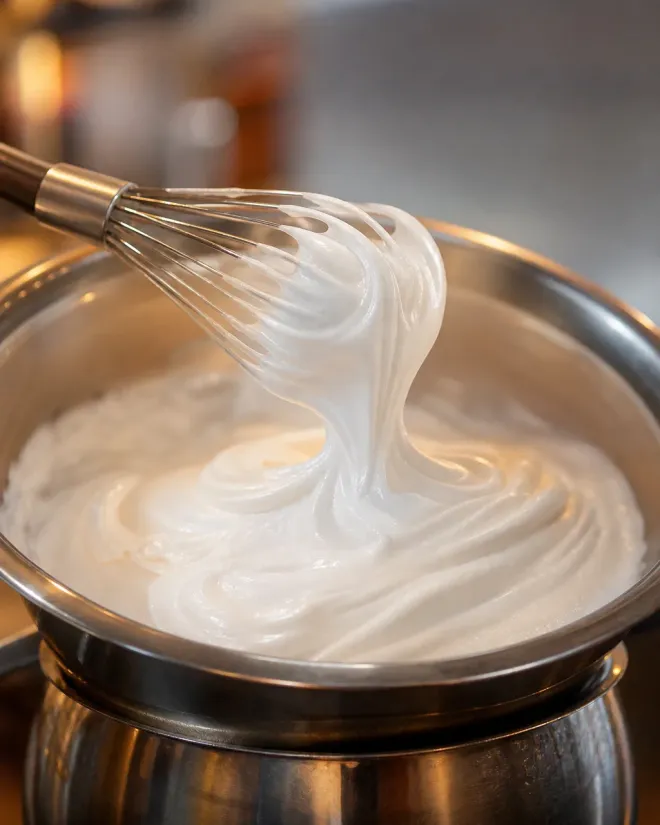 Dessert Medium difficulty
Whites and sugar warmed together over steam, then whipped into the densest, glossiest meringue of the three — the sculptor's foam that pipes like porcelain and never weeps.
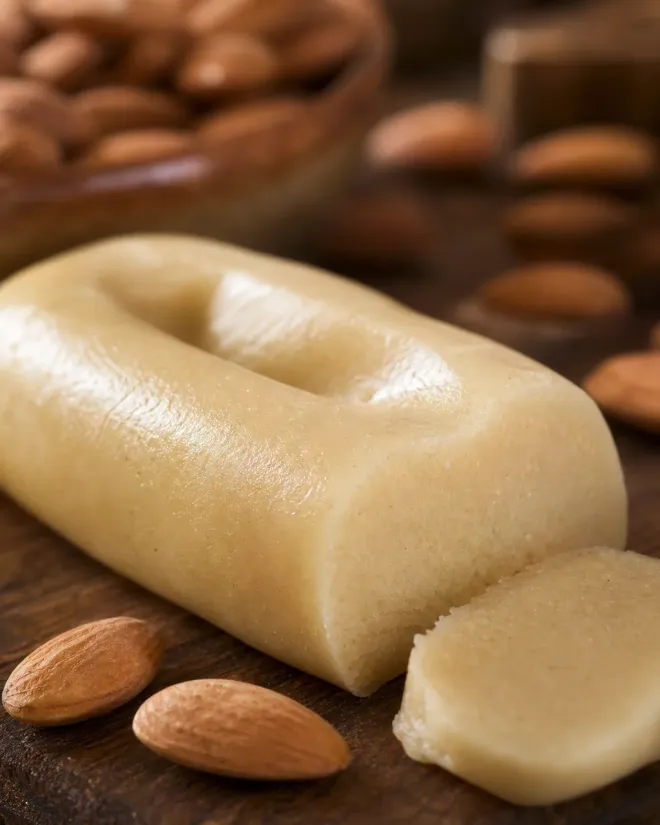 Dessert Easy difficulty
Almonds and sugar chewed into a paste — the pâtisserie's modeling clay, candied-fruit coating, and the reason almond croissants exist. Two ingredients, infinite opinions.
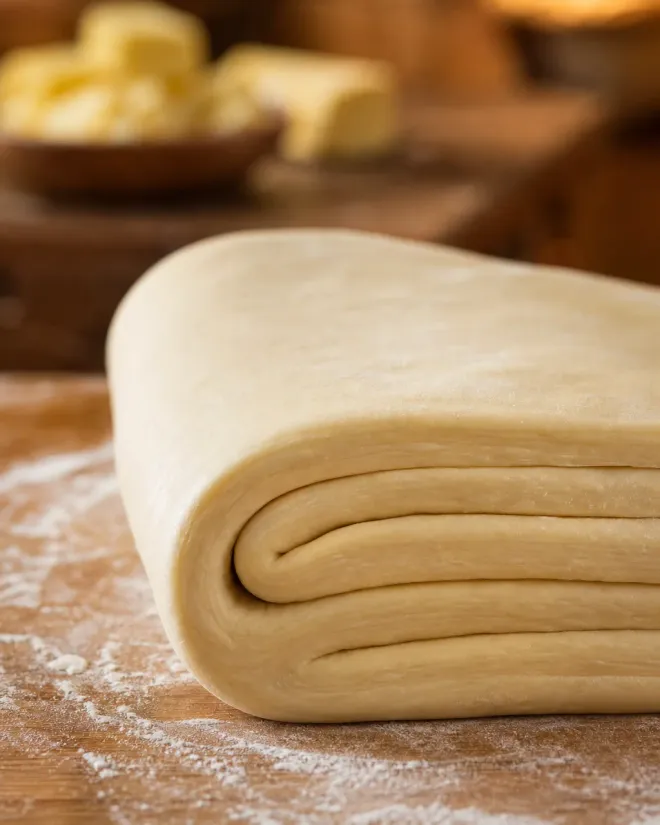 Dessert Hard difficulty
Brioche dough with a butter secret: the laminated, yeasted pastry behind every croissant, pain au chocolat and kouign-amann. Yeast wants warmth, butter wants cold, and you referee.
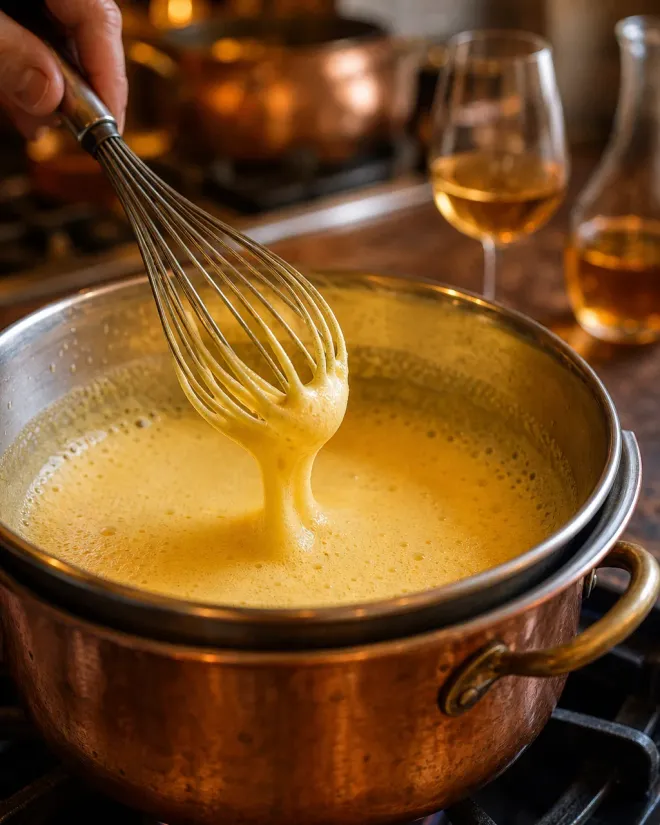 Dessert Medium difficulty
Egg yolks whipped over steam with wine until they triple in volume and turn golden — a cream with no cream in it, held together entirely by heat, sugar and stubborn wrists.
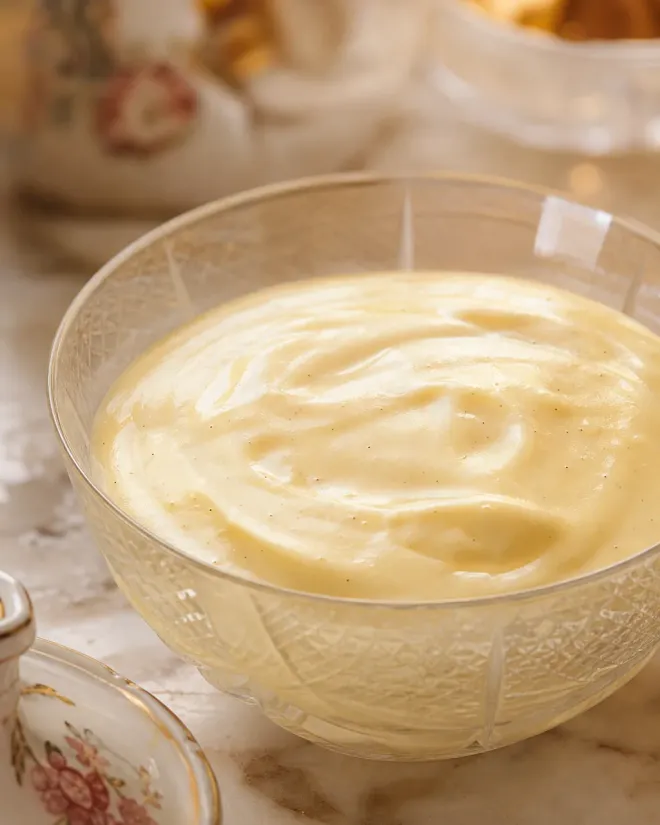 Dessert Medium difficulty
A custard that learned to hold its own shape — pastry cream, gelatin and whipped cream, folded in a window of minutes and moulded overnight. The dessert that taught French pastry that air can be architecture.
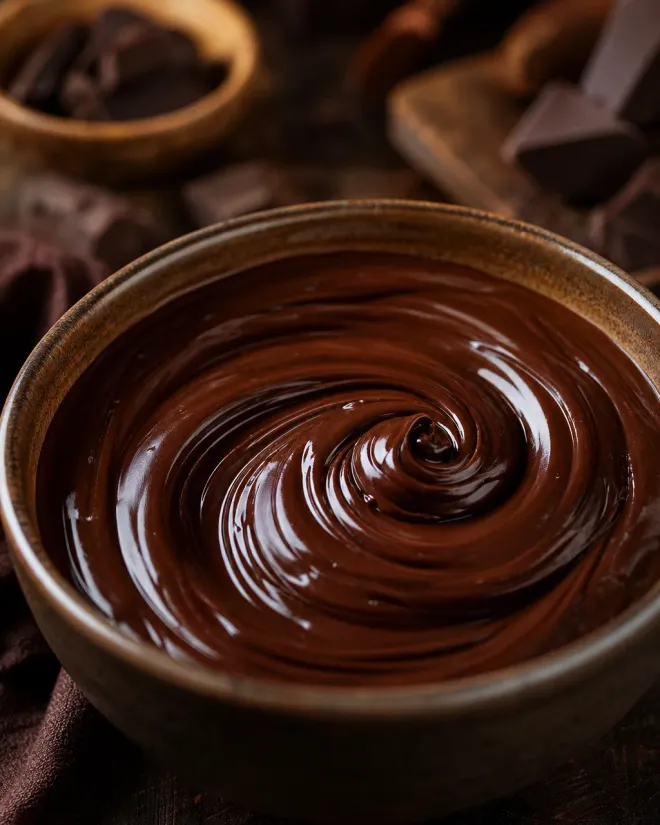 Dessert Easy difficulty
Two ingredients that refuse to mix until heat and patience convince them — an emulsion so simple that its own name means 'klutz'. The ratio is the recipe; everything else is temperature.
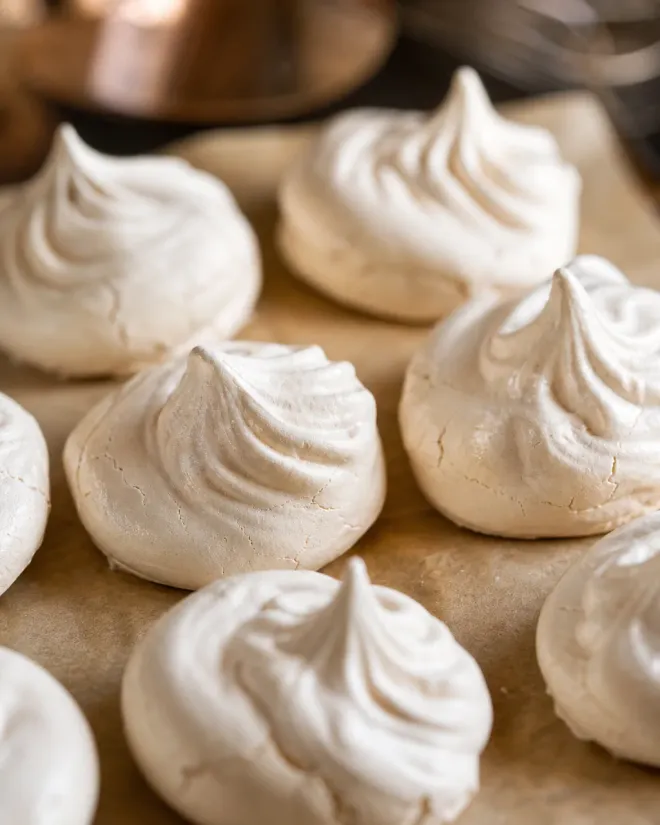 Dessert Easy difficulty
Whites, sugar, and nothing in between — the oldest meringue, made raw and judged by whether the sugar squeaks. The simplest of the three and the only one you can poach.
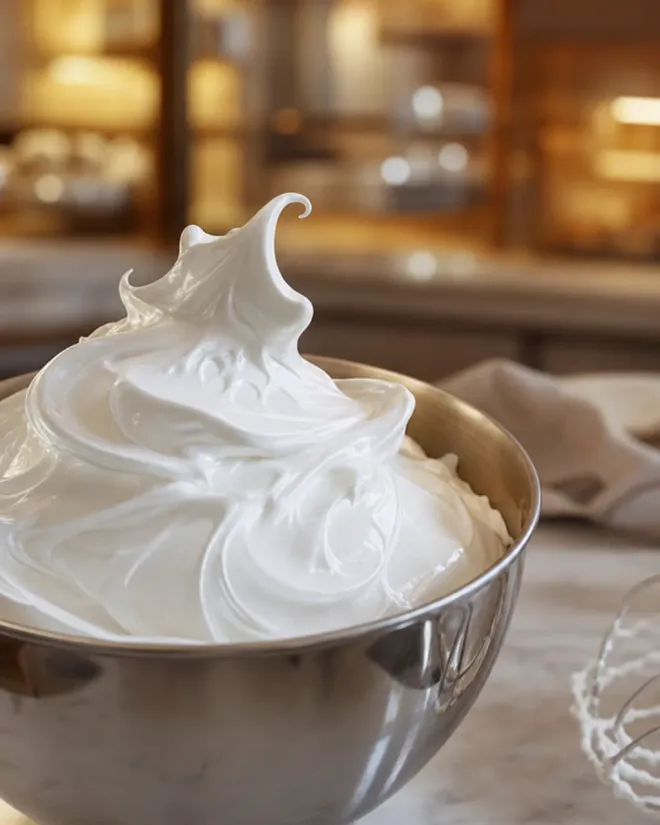 Dessert Medium difficulty
Sugar syrup poured at 118 °C onto whipping whites — a meringue with a boiled heart, stable enough to build on and polite enough to eat raw.
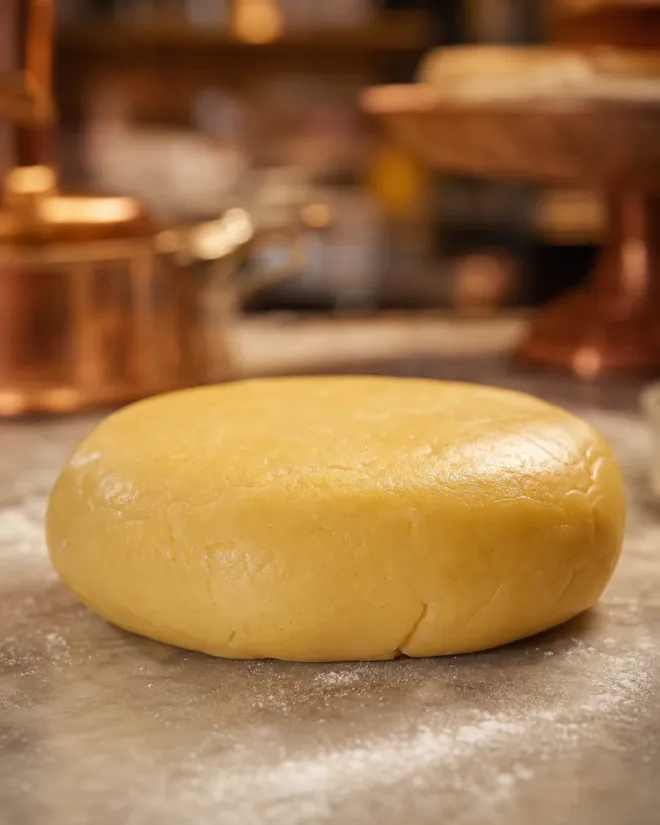 Dessert Easy difficulty
The sweet dough that behaves — creamed butter, sugar and egg built into a cohesive pastry that rolls paper-thin and carries the pâtisserie window's most delicate tarts. Crisp, not flaky; sweet, never apologetic.
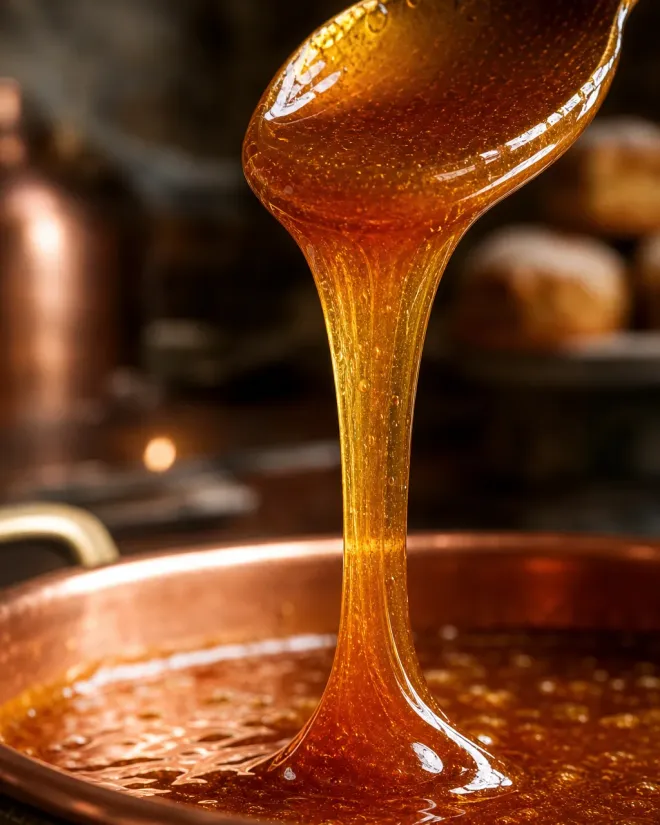 Dessert Medium difficulty
One ingredient, heated past its own identity — sugar's second life as color, flavor and structure. The only recipe in this kitchen where the shopping list is a single line.
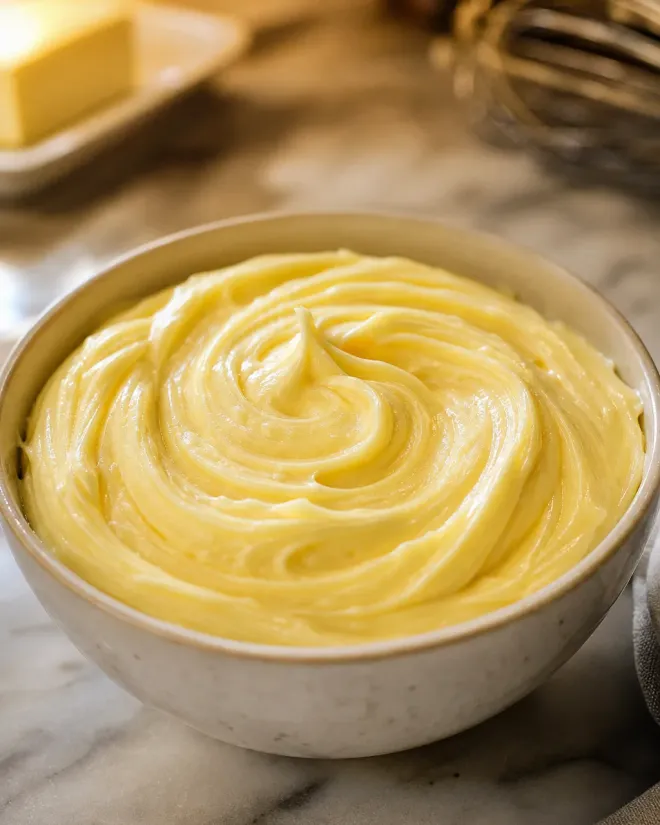 Dessert Medium difficulty
Crème pâtissière that went to finishing school — beaten with butter until it pipes like silk and stands like architecture. The cream inside a Paris-Brest is not decoration; it is the argument.
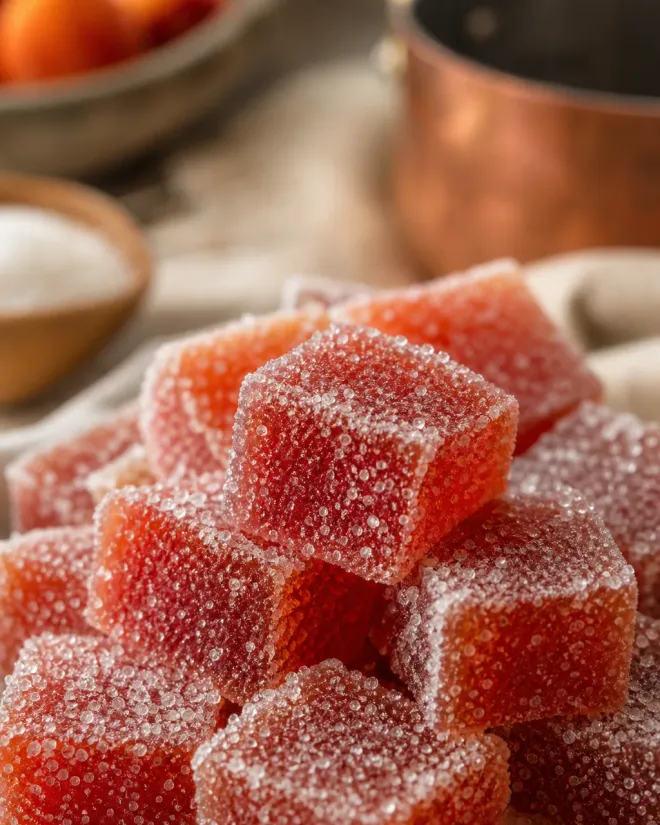 Dessert Medium difficulty
Fruit purée cooked with pectin until it sets like amber, cut into sugared cubes — the confiserie's jellied diamond. Not jam: candy, and it knows the difference.
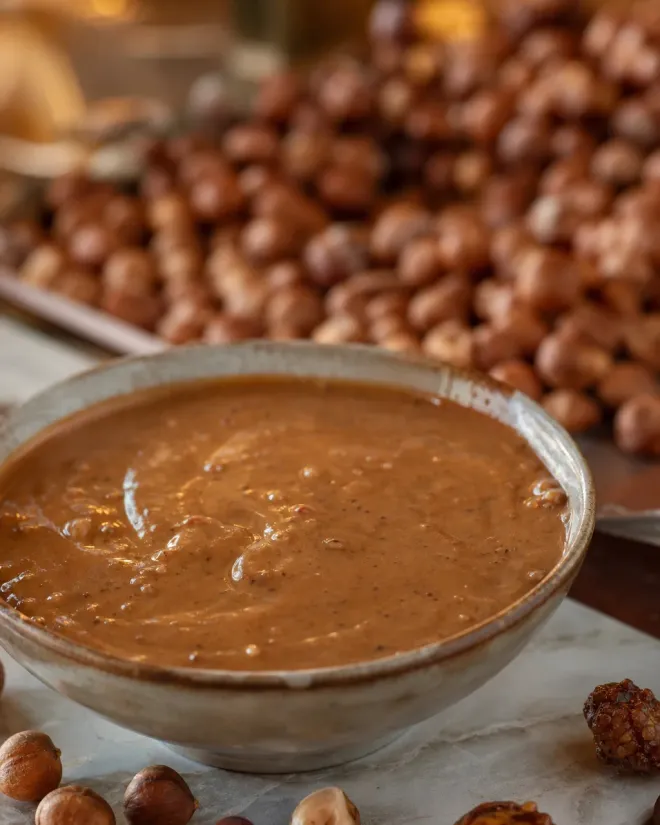 Dessert Medium difficulty
Nuts cooked into caramel, then ground until the caramel surrenders and the paste flows. France's flavor concentrate — half the pâtisserie counter tastes of it and never says so.
Most of them, no. The majority of the desserts on this site are marked easy — crème brûlée, clafoutis, mousse au chocolat and riz au lait are one bowl each, built on pantry staples. The genuinely hard ones are the pâtisserie builds — Saint-Honoré, mille-feuille, laminated doughs — and even those are broken into plain steps rather than left to intimidation.
Crème brûlée, tarte Tatin, mousse au chocolat, crêpes, madeleines and île flottante are the canon — the ones every bistro keeps on the menu because everyone orders them. The crème brûlée has the earliest printed recipe of the group (1691); the Tatin is the best accident in French cooking.
Almost never. A broiler caramelizes crème brûlée without a torch, a saucepan and a whisk cover most custards, and no French grandmother owned a stand mixer. A digital scale helps — every recipe gives grams — but cups and spoons are listed alongside.
Clafoutis: fruit in a dish, pancake batter over it, into the oven. Crème caramel and moelleux au chocolat are close behind, and all three are built to survive imperfect technique — the caramel forgives, and the molten center is supposed to look underbaked.